



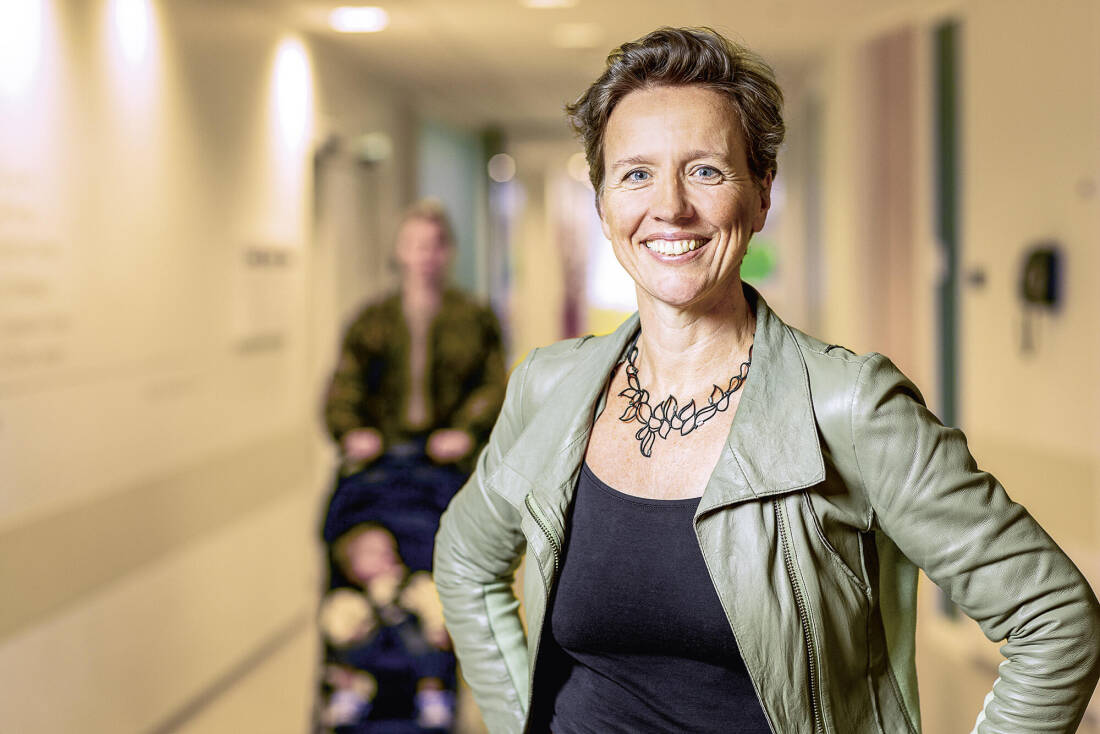
Tessa Roseboom Future Generations Commissioner - Photo: Marieke de Lorijn
As vice-chair and member of the Valorisation Board, Tessa Roseboom helps shape Amsterdam UMC's valorisation policy. At the same time, she herself is a perfect example of the valorisation of science. "Valorisation is the process of using science to create value for society; at Amsterdam UMC, that means contributing to a healthy future for all.”
‘Contributing to a healthy future through valorisation’
"We see wonderful examples of how people with different talents and backgrounds contribute to a healthier future for everyone," said Tessa Roseboom, professor of Early Development and Health, at the opening of the Valorisation Festival in September at Amsterdam UMC. "I hope this inspires everyone, so that you go home with the idea that you can make an impact in your own way and with your own talents."
She spoke these opening words in her role on the Amsterdam Valorisation Board. The AVB sets the guidelines for Amsterdam UMC's valorisation policy. At the same time, Roseboom herself is a perfect example of the valorisation of science, as she translates many of the results of her research into practice and government policy.

Absurd
"For me, valorisation means being of value to society, now and in the future," she says. "I became a scientist because I am very curious. I want to know how people are shaped by the environment in which they grow up. That is more or less the question I am still working on. The more I learned about it, the more I thought: if we know all this, how is it possible that so little is being done with that knowledge? It's really absurd that we're not translating all this knowledge into practice."
Roseboom wrote a book about the importance of the first thousand days in a child's life and presented it to the then Minister of Health, Welfare and Sport, Hugo de Jonge. He asked her to help set up the Solid Start program, which invests €23 million annually in the first thousand days of children's lives. "That's why I think valorisation is so important: to have a positive impact on people's lives. Valorisation sometimes carries the connotation of making money from your knowledge. But first and foremost, it's about being of value to others with your knowledge and expertise. Valorisation is primarily about contributing to a healthy future for all.”
Public debate
The Kansrijke Start program is a good example of the inside-out strategy, one of the four strategies that Amsterdam UMC uses in its valorisation policy: contributing to public debate and societal interest from a scientific perspective.
She also does this in her role as the first Future Generations Commissioner. In that role, she spoke at the United Nations in New York at the Summit of the Future, where the UN Declaration for Future Generations was signed. "We must realize that the decisions we make now have an impact on the environment in which future generations will be shaped and will live."
The essence
But whether it concerns one valorisation strategy or another, according to Roseboom, the essence is for Amsterdam UMC and science to be of value to society. "For society, for current patients, for future patients, and for those who will never become patients."
January 2026 | © Amsterdam UMC 2026



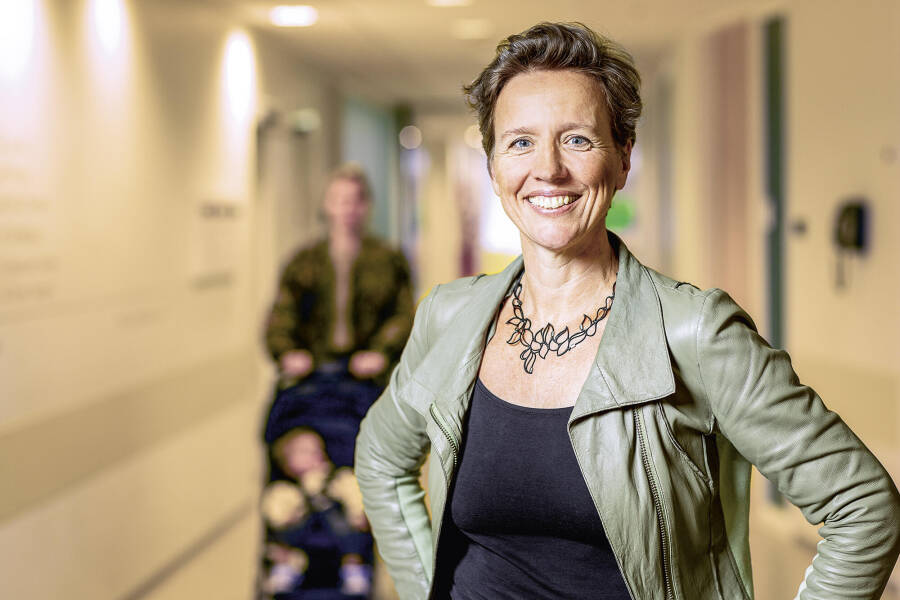
Tessa Roseboom Future Generations Commissioner - Photo: Marieke de Lorijn
‘Contributing to a healthy future through valorisation’
As vice-chair and member of the Valorisation Board, Tessa Roseboom helps shape Amsterdam UMC's valorisation policy. At the same time, she herself is a perfect example of the valorisation of science. "Valorisation is the process of using science to create value for society; at Amsterdam UMC, that means contributing to a healthy future for all.”
"We see wonderful examples of how people with different talents and backgrounds contribute to a healthier future for everyone," said Tessa Roseboom, professor of Early Development and Health, at the opening of the Valorisation Festival in September at Amsterdam UMC. "I hope this inspires everyone, so that you go home with the idea that you can make an impact in your own way and with your own talents."
She spoke these opening words in her role on the Amsterdam Valorisation Board. The AVB sets the guidelines for Amsterdam UMC's valorisation policy. At the same time, Roseboom herself is a perfect example of the valorisation of science, as she translates many of the results of her research into practice and government policy.
Absurd
"For me, valorisation means being of value to society, now and in the future," she says. "I became a scientist because I am very curious. I want to know how people are shaped by the environment in which they grow up. That is more or less the question I am still working on. The more I learned about it, the more I thought: if we know all this, how is it possible that so little is being done with that knowledge? It's really absurd that we're not translating all this knowledge into practice."
Roseboom wrote a book about the importance of the first thousand days in a child's life and presented it to the then Minister of Health, Welfare and Sport, Hugo de Jonge. He asked her to help set up the Solid Start program, which invests €23 million annually in the first thousand days of children's lives. "That's why I think valorisation is so important: to have a positive impact on people's lives. Valorisation sometimes carries the connotation of making money from your knowledge. But first and foremost, it's about being of value to others with your knowledge and expertise. Valorisation is primarily about contributing to a healthy future for all.”
Public debate
The Kansrijke Start program is a good example of the inside-out strategy, one of the four strategies that Amsterdam UMC uses in its valorisation policy: contributing to public debate and societal interest from a scientific perspective.
She also does this in her role as the first Future Generations Commissioner. In that role, she spoke at the United Nations in New York at the Summit of the Future, where the UN Declaration for Future Generations was signed. "We must realize that the decisions we make now have an impact on the environment in which future generations will be shaped and will live."
The essence
But whether it concerns one valorisation strategy or another, according to Roseboom, the essence is for Amsterdam UMC and science to be of value to society. "For society, for current patients, for future patients, and for those who will never become patients."