

Each of us can contribute. Whether you are a healthcare provider, researcher, teacher, or policymaker, see how you can make an impact on future generations through your work. Be inspired by these examples. Book a Future Design session. Design the future. And also know where to find us if you want to get started but are not yet sure how.
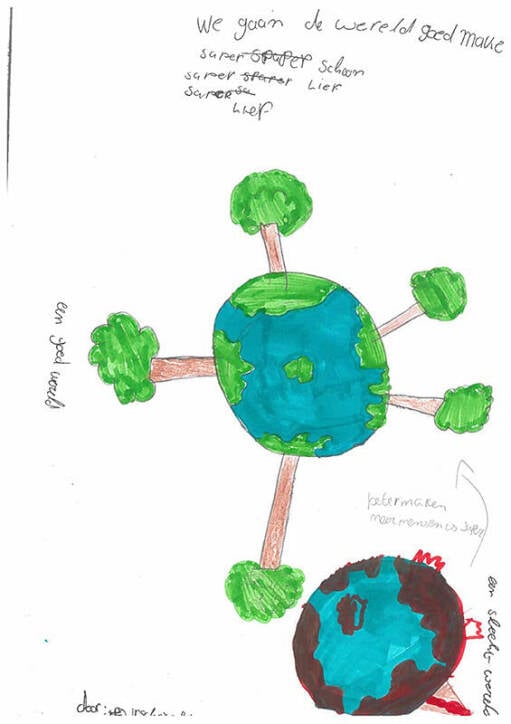
Draw the future
How do children see the future? With their drawings, they show what really matters for health. This helps us to take a step back, zoom out, and steer decision-making towards what really matters in the long run. Read more here >





Future Generations | March 2026
© Amsterdam UMC 2026
Each of us can contribute. Whether you are a healthcare provider, researcher, teacher, or policymaker, see how you can make an impact on future generations through your work. Be inspired by these examples. Book a Future Design session. Design the future. And also know where to find us if you want to get started but are not yet sure how.
Use Future Design for policy decisions
Future Design is a method for thinking about issues from the perspective of past, present, and future generations. At Amsterdam UMC, we use Future Design as a tool for developing future proof practices. We are also investigating the impact of Future Design. The sessions are open to all Amsterdam UMC employees. Read more here >