


Photo: Marieke de Lorijn
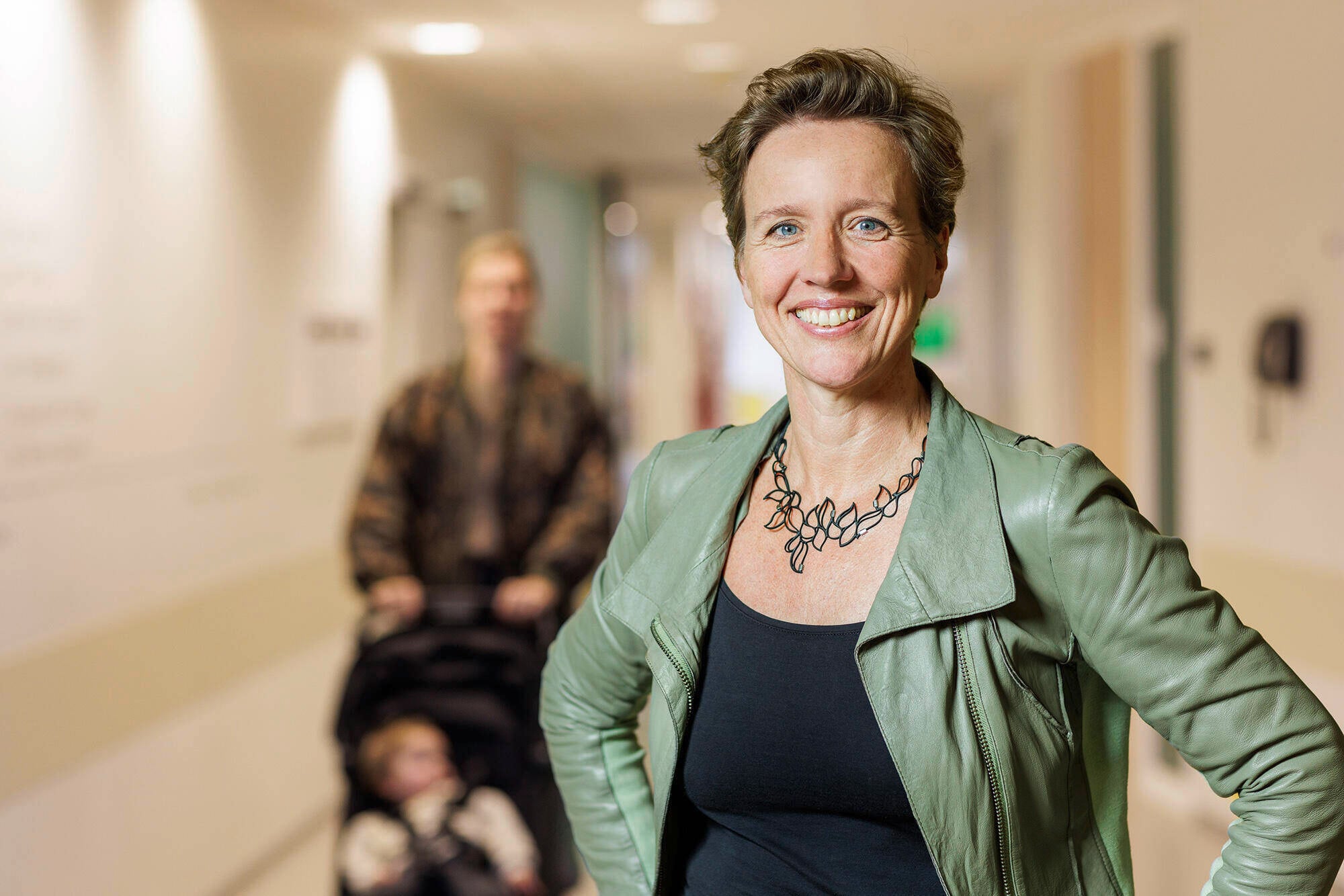
Amsterdam UMC is the first academic hospital in the world to have a Future Generations Commissioner. For Tessa Roseboom, professor of Early Development and Health, this was a logical next step. “The more I learned from our research, the more I wondered: why is so little being done with this knowledge? After all, no one is opposed to giving children a good start in life. It's just that we don't really know how we – as individuals and as a society – can make this happen.”
This pioneering role is perfectly suited to her. It was a giant leap forward in just a few years: starting from the > Dutch Famine Birth Cohort study < – which was one of the first to convincingly show that environmental influences before birth can have a lasting impact on a person’s health decades later – to the national programme > SolidStart <, to a leap of faith as Future Generations Commissioner. Two parallel developments made this possible. On the one hand, scientific knowledge about early development and health continued to expand, providing insights that Roseboom helped translate into policy. On the other hand, an international movement emerged giving voice to voiceless generations: those yet to be born. This movement’s aim was to ensure that the interests of future generations are considered in today’s decisions. With a Future Generations Commissioner, these two streams are now joined into one.
Roseboom: “It seems to have happened overnight, but I started studying the Famine Birth Cohort thirty years ago. It slowly dawned on us how decisively the environment before birth and during the first years of life impacts later health. This means that in this moment, we are shaping the future opportunities for children who are not yet born, who are not here to represent themselves in the decisions and actions we take that affect their health and futures. I wrote a book about the first 1,000 days, bringing together insights from different scientific fields, ranging from biology to economy. When I presented it to the Minister of Health Hugo de Jonge, I was invited to contribute to the national program Solid Start, which was being drafted at the time. That experience was not only a wonderful opportunity, but also an invaluable learning process for me.”
What did you learn from collaborating with policymakers?
“Above all, that as a scientist, you shouldn't just talk about the evidence you've found. It matters, but it's not enough to provoke policy change. It takes a village to raise a child. That village needs to be actively involved. With the national programme Solid Start, we did that by creating a coalition of diverse professionals, parents and stakeholder organisations that worked together rolling out national policy in all municipalities. I learned a lot by talking to councilors, general practitioners, debt counselors, and youth healthcare workers. That is also your job as a scientist: to seek out that connection, to ask stakeholders why they do what they do in their practice. And to find out what motives them. Because everyone wants to do the right thing, but it is not always clear how that can be achieved. I start my presentations to Members of Parliament with: ‘What made you set aside time for this topic?’, because that answer reveals their real question to me. Only when you understand each other's needs and obstacles can you write a joint story and get past the hurdle of short-term thinking. Although money always remains a difficult part of the conversation.”
At this time, the UN formulated the Declaration on Future Generations.
“In recent years, there has been growing international recognition that the interests of future generations must be taken into account in today’s policies and actions. In 2023, I initiated a series of conversations with scientists, policymakers, and civil society organizations about how to incorporate the interests of future generations and how science, practice, and policy can reinforce one another towards this end. As a result of my research and these conversations, I was invited to provide input into the UN document that was used to prepare the UN Declaration on Future Generations.
At the same time, we were developing a new multi-year strategy at Amsterdam UMC in which 'making societal impact' was given greater prominence. I was keen to ensure that our impact on the health of future generations would play a prominent role in that strategy. As the first Future Generations Commissioner of an academic hospital, I was able to attend the UN Summit of the Future and witness the historical moment of the ratification of the Declaration on Future Generations. Now I get to explore how we can translate the words of that declaration into daily practice at Amsterdam UMC.”
Photo: Marieke de Lorijn
A hospital provides care for today's patients. How does that relate to the focus on future generations?
“That is not a contradiction. Although our priority is to cure people who are ill today, we also bear a responsibility to create conditions that allow future generations to live healthy lives. In this way, we contribute to ensuring that healthcare remains accessible for those who will need it in the future.”
How would you describe your role as Future Generations Commissioner?
“My ambition is to serve society through science and drive the transition towards a healthy and sustainable future. We aim to make an impact on society by creating, sharing, and using knowledge. Ultimately, this is about creating an environment in which future generations can develop their full potential. A future where individual opportunities are no longer determined by where you were born. Clearly, specifying this ambition remains a challenge given the scale of the work ahead.”
The mission of the Future Generations Commissioner at Amsterdam UMC
1 Create knowledge
2 Share knowledge
3 Use knowledge
4 Strategy development

Which aspects of this mission are already being realized at Amsterdam UMC?
“Creating knowledge means that we conduct research and bring together the insights from the many studies and projects at Amsterdam UMC that can already contribute to a healthy future. We need to have conversations with policymakers, healthcare professionals, and the general public. These conversations, and our narrative, is certainly something we need to work on. If we wish to have more impact we need to have more curious conversations. We are exploring with which stakeholders we can form alliances to achieve this, in the city of Amsterdam, in the Netherlands, and worldwide. At the same time, we need to figure out how we are going to take the interests of future generations into account ourselves. An example of how Amsterdam UMC attempts to do this is through experimenting with Future Design in formulating various aspects of the long-term strategy. In addition, Amsterdam UMC runs a programme working towards family friendly work, aimed at better meeting the needs of our colleagues who combine work with caring for their own future generations.”
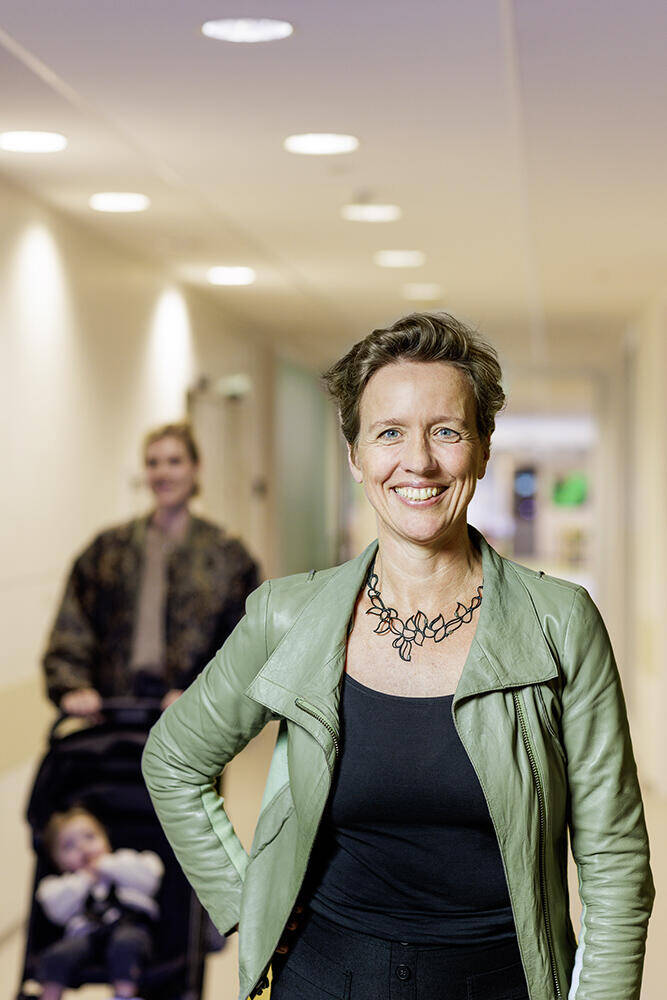
Tessa Roseboom, Future Generations Commissioner at Amsterdam UMC

Finally, I’ll ask you the same question: what motivates you?
“I realize how lucky I have been to have had opportunities because of the circumstances into which I happened to be born. I wish everyone would get the opportunities to develop their talents. I feel motivated to devote all my abilities to contributing to making that dream a reality. My grandmother was just as curious and ambitious a girl as I am. However, she did not get the opportunity to learn and had to leave school at the age of nine, whereas I was able to go to university and become a professor at forty. My grandmother used her frustration to drive change to improve the opportunities for her children. That is bittersweet and provides hope: so much can change in two generations. That gives me enormous drive.”
References
In this podcast series, Tessa Roseboom had conversations about future generations with people from different walks of life discussing their professional and personal motivations for contributing to intergenerational solidarity and justice. The series was produced by the Institute for Advanced Study at the University of Amsterdam (2024).



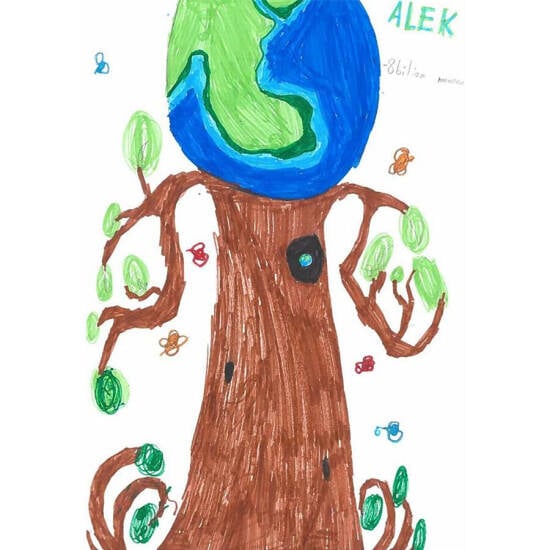
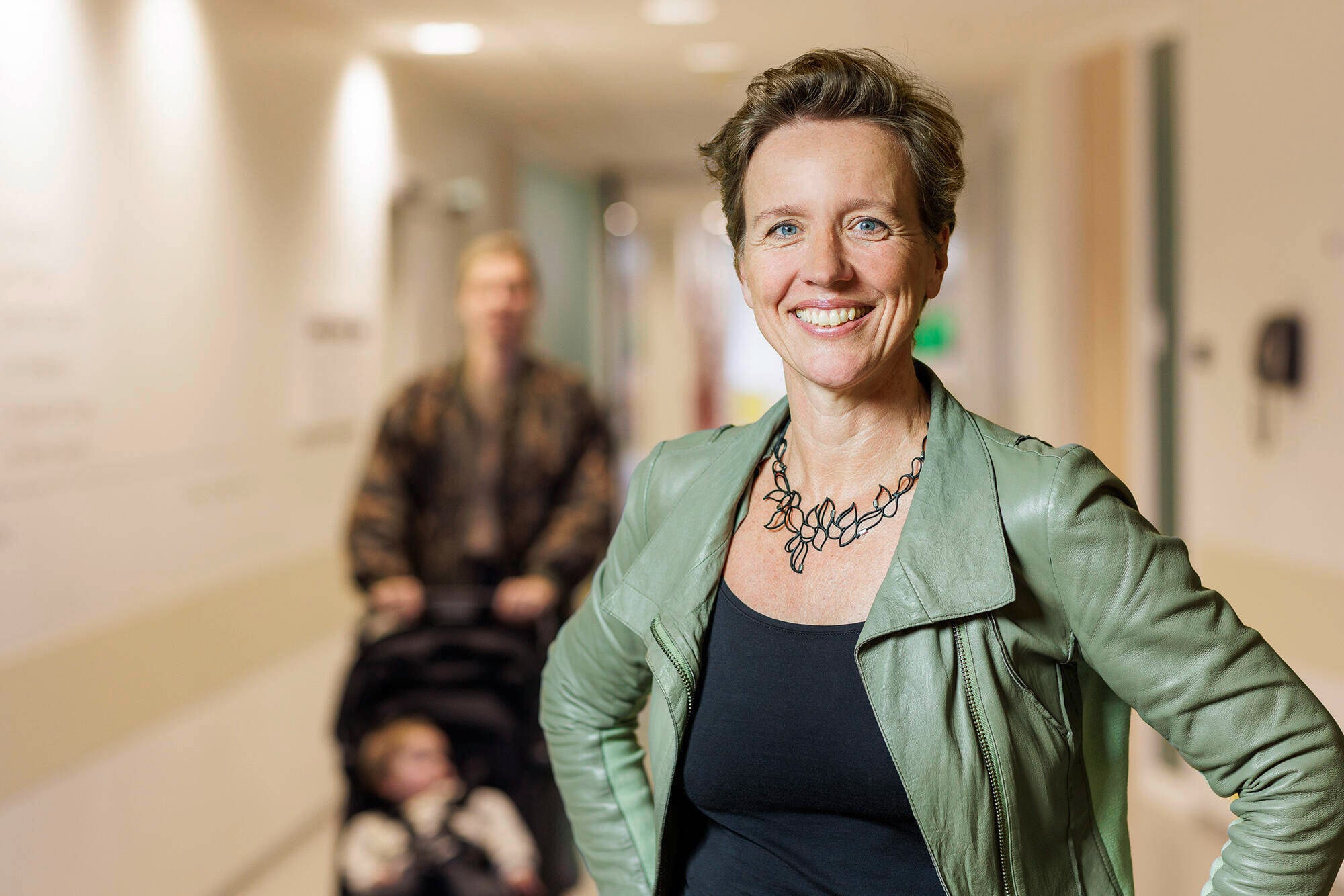
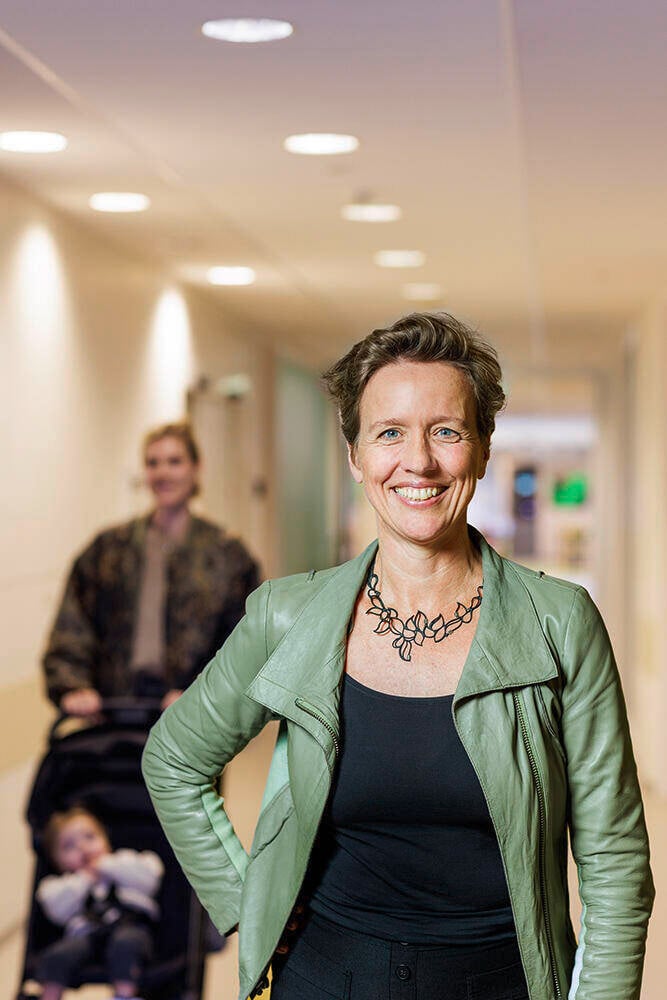
Photo: Marieke de Lorijn
Amsterdam UMC is the first academic hospital in the world to have a Future Generations Commissioner. For Tessa Roseboom, professor of Early Development and Health, this was a logical next step. “The more I learned from our research, the more I wondered: why is so little being done with this knowledge? After all, no one is opposed to giving children a good start in life. It's just that we don't really know how we – as individuals and as a society – can make this happen.”
This pioneering role is perfectly suited to her. It was a giant leap forward in just a few years: starting from the > Dutch Famine Birth Cohort study < – which was one of the first to convincingly show that environmental influences before birth can have a lasting impact on a person’s health decades later – to the national programme > SolidStart <, to a leap of faith as Future Generations Commissioner. Two parallel developments made this possible. On the one hand, scientific knowledge about early development and health continued to expand, providing insights that Roseboom helped translate into policy. On the other hand, an international movement emerged giving voice to voiceless generations: those yet to be born. This movement’s aim was to ensure that the interests of future generations are considered in today’s decisions. With a Future Generations Commissioner, these two streams are now joined into one.
Roseboom: “It seems to have happened overnight, but I started studying the Famine Birth Cohort thirty years ago. It slowly dawned on us how decisively the environment before birth and during the first years of life impacts later health. This means that in this moment, we are shaping the future opportunities for children who are not yet born, who are not here to represent themselves in the decisions and actions we take that affect their health and futures. I wrote a book about the first 1,000 days, bringing together insights from different scientific fields, ranging from biology to economy. When I presented it to the Minister of Health Hugo de Jonge, I was invited to contribute to the national program Solid Start, which was being drafted at the time. That experience was not only a wonderful opportunity, but also an invaluable learning process for me.”
What did you learn from collaborating with policymakers?
“Above all, that as a scientist, you shouldn't just talk about the evidence you've found. It matters, but it's not enough to provoke policy change. It takes a village to raise a child. That village needs to be actively involved. With the national programme Solid Start, we did that by creating a coalition of diverse professionals, parents and stakeholder organisations that worked together rolling out national policy in all municipalities. I learned a lot by talking to councilors, general practitioners, debt counselors, and youth healthcare workers. That is also your job as a scientist: to seek out that connection, to ask stakeholders why they do what they do in their practice. And to find out what motives them. Because everyone wants to do the right thing, but it is not always clear how that can be achieved. I start my presentations to Members of Parliament with: ‘What made you set aside time for this topic?’, because that answer reveals their real question to me. Only when you understand each other's needs and obstacles can you write a joint story and get past the hurdle of short-term thinking. Although money always remains a difficult part of the conversation.”
At this time, the UN formulated the Declaration on Future Generations.
“In recent years, there has been growing international recognition that the interests of future generations must be taken into account in today’s policies and actions. In 2023, I initiated a series of conversations with scientists, policymakers, and civil society organizations about how to incorporate the interests of future generations and how science, practice, and policy can reinforce one another towards this end. As a result of my research and these conversations, I was invited to provide input into the UN document that was used to prepare the UN Declaration on Future Generations.
At the same time, we were developing a new multi-year strategy at Amsterdam UMC in which 'making societal impact' was given greater prominence. I was keen to ensure that our impact on the health of future generations would play a prominent role in that strategy. As the first Future Generations Commissioner of an academic hospital, I was able to attend the UN Summit of the Future and witness the historical moment of the ratification of the Declaration on Future Generations. Now I get to explore how we can translate the words of that declaration into daily practice at Amsterdam UMC.”
Photo: Marieke de Lorijn
A hospital provides care for today's patients. How does that relate to the focus on future generations?
“That is not a contradiction. Although our priority is to cure people who are ill today, we also bear a responsibility to create conditions that allow future generations to live healthy lives. In this way, we contribute to ensuring that healthcare remains accessible for those who will need it in the future.”
How would you describe your role as Future Generations Commissioner?
“My ambition is to serve society through science and drive the transition towards a healthy and sustainable future. We aim to make an impact on society by creating, sharing, and using knowledge. Ultimately, this is about creating an environment in which future generations can develop their full potential. A future where individual opportunities are no longer determined by where you were born. Clearly, specifying this ambition remains a challenge given the scale of the work ahead.”
1 Create knowledge
2 Share knowledge
3 Use knowledge
4 Strategy development

Which aspects of this mission are already being realized at Amsterdam UMC?
“Creating knowledge means that we conduct research and bring together the insights from the many studies and projects at Amsterdam UMC that can already contribute to a healthy future. We need to have conversations with policymakers, healthcare professionals, and the general public. These conversations, and our narrative, is certainly something we need to work on. If we wish to have more impact we need to have more curious conversations. We are exploring with which stakeholders we can form alliances to achieve this, in the city of Amsterdam, in the Netherlands, and worldwide. At the same time, we need to figure out how we are going to take the interests of future generations into account ourselves. An example of how Amsterdam UMC attempts to do this is through experimenting with Future Design in formulating various aspects of the long-term strategy. In addition, Amsterdam UMC runs a programme working towards family friendly work, aimed at better meeting the needs of our colleagues who combine work with caring for their own future generations.”
Tessa Roseboom, Future Generations Commissioner at Amsterdam UMC
Finally, I’ll ask you the same question: what motivates you?
“I realize how lucky I have been to have had opportunities because of the circumstances into which I happened to be born. I wish everyone would get the opportunities to develop their talents. I feel motivated to devote all my abilities to contributing to making that dream a reality. My grandmother was just as curious and ambitious a girl as I am. However, she did not get the opportunity to learn and had to leave school at the age of nine, whereas I was able to go to university and become a professor at forty. My grandmother used her frustration to drive change to improve the opportunities for her children. That is bittersweet and provides hope: so much can change in two generations. That gives me enormous drive.”
References
In this podcast series, Tessa Roseboom had conversations about future generations with people from different walks of life discussing their professional and personal motivations for contributing to intergenerational solidarity and justice. The series was produced by the Institute for Advanced Study at the University of Amsterdam (2024).
Future Generations | March 2026
© Amsterdam UMC 2026