Anna van der Hulst
Willem de Vries
Tessa Roseboom
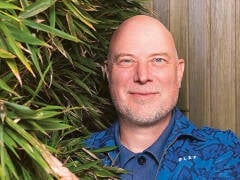
Arne Popma
Photo: GGD Amsterdam
get involved!’
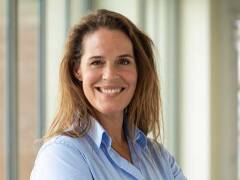
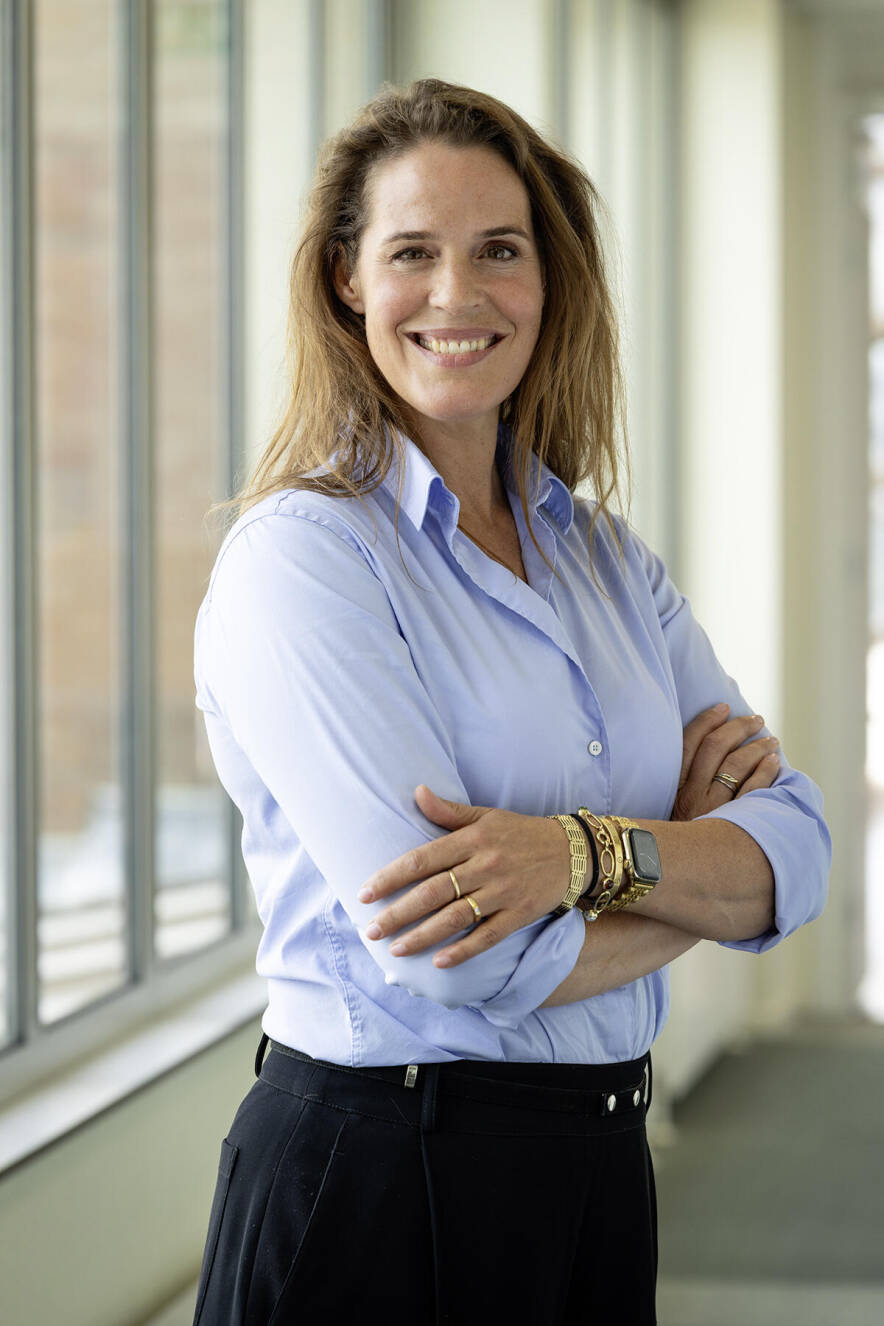
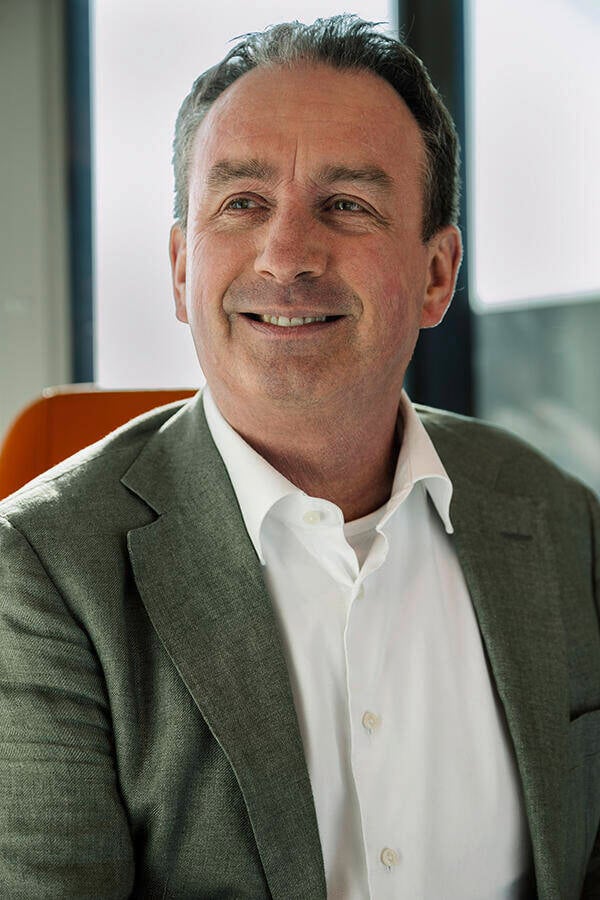
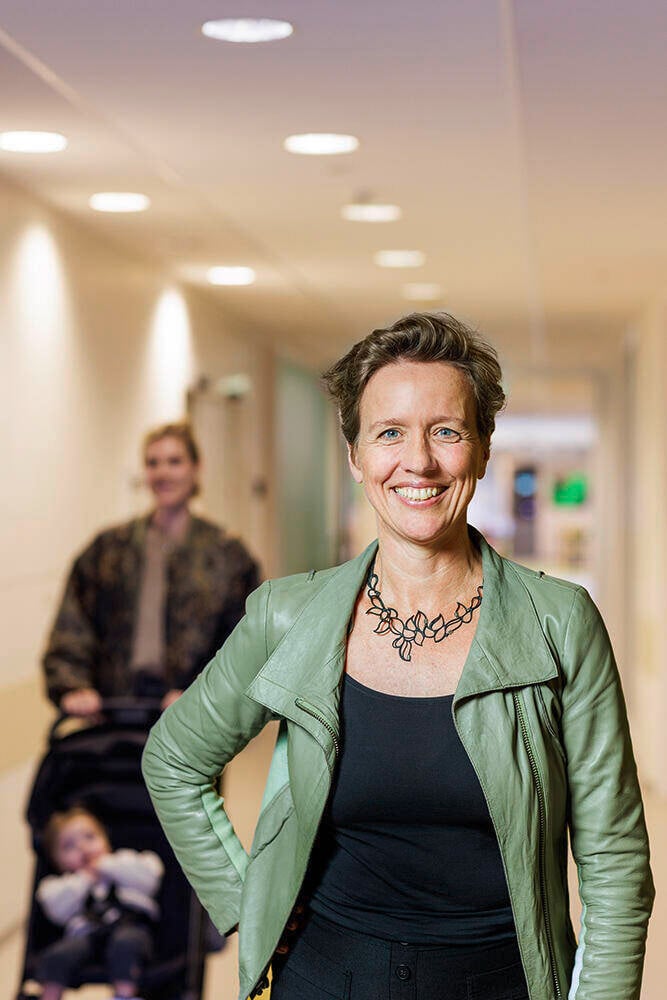
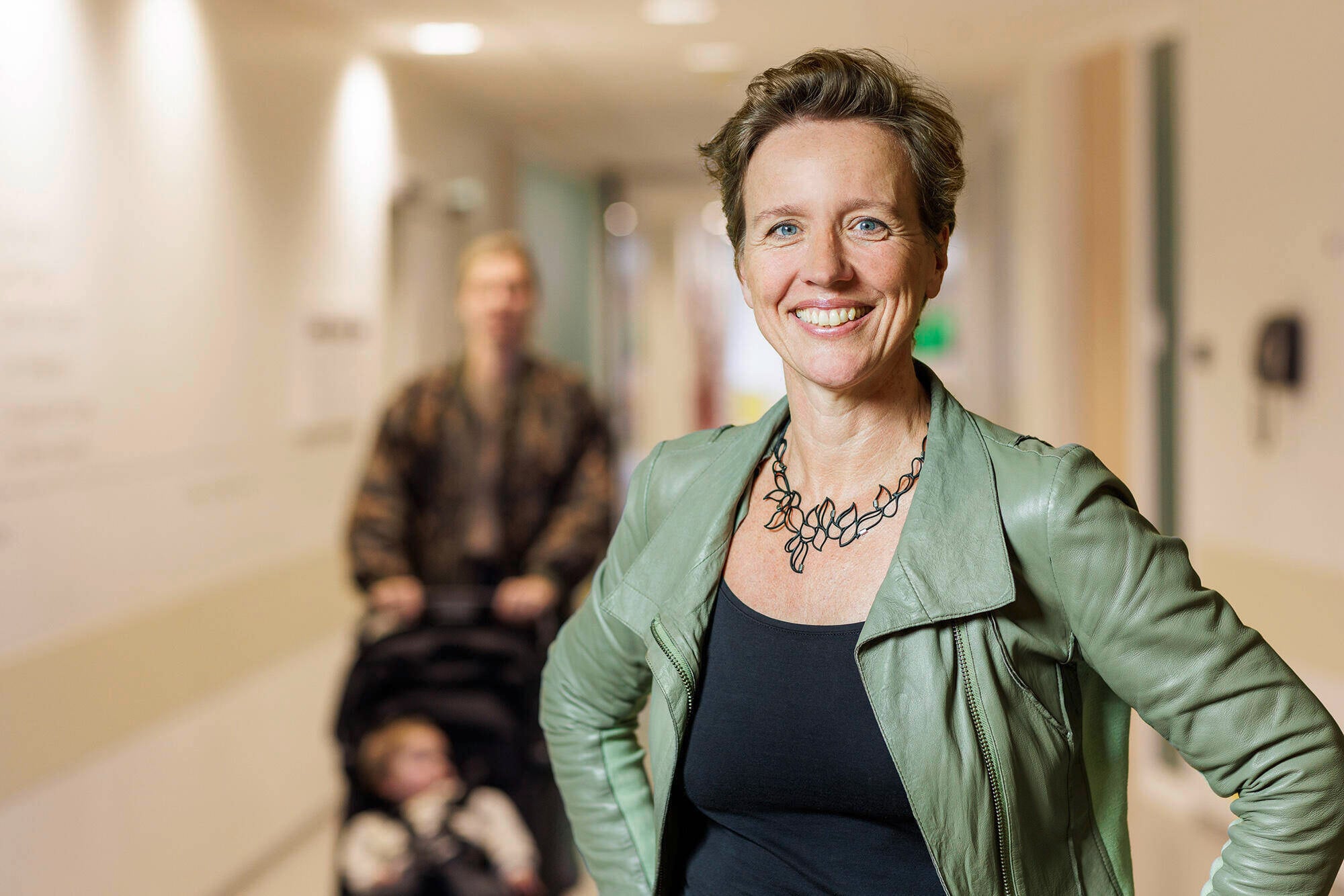
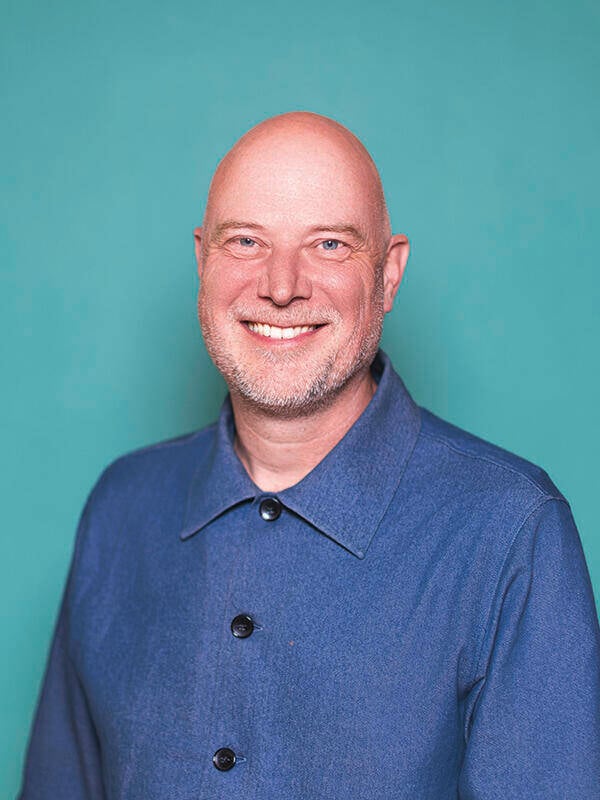
Anna van der Hulst is director of the Public Health Service of Amsterdam (GGD Amsterdam). Prior to that, she held healthcare management positions at OLVG and Amsterdam UMC. She is also one of the twelve members of the Societal Advisory Board, which advises Amsterdam UMC on its societal impact.
As director of the largest Public Health Service in the Netherlands, Anna van der Hulst faces the complex task of shifting ‘from care to health’ and strengthening equal opportunities for future generations. Science has a major role to play in this transition, she says – but so does the nurse at the bedside. “As an academic hospital, you hold some of the most important levers for change.”
'We stand on the shoulders of our ancestors.’ This certainly applies to organizations such as the Public Health Service and Amsterdam UMC. Founders such as Catharine van Tussenbroek, Samuel Sarphati, and Samuel de Ranitz not only transformed healthcare, but also changed living conditions and increased attention to poverty in Amsterdam. “They cared deeply about the most vulnerable in this city”, says Anna van der Hulst. “They understood the connection between how people lived and the outbreaks of infectious diseases. They realized that they had to address problems at the level of the city, not just at the level of individuals – not only build a children's hospital but also constructing a sewage system.”
The courageous approach is part of the DNA of the Public Health Service of Amsterdam?
“During the heroin crisis, society largely turned its back on people with addiction. We chose a different path: we provided methadone and clean needles, helped people step out of crime, and made the city safer and more livable for everyone. In the early years of HIV, when patients were often treated as outcasts, the Public Health Service partnered with Amsterdam UMC to set up a cohort study to monitor the virus and study behavioral change. Seeing what is needed – even when it goes against convention –and having the courage to act: that is who we are, and our city council has never been afraid to support that approach. I believe Amsterdam, as the capital, should take the lead in the transition ‘from disease to health’. The Public Health Service of Amsterdam is the canary in the coal mine: our professionals are often the first to detect emerging problems. For Amsterdam UMC, it makes sense to position itself right alongside that canary and conduct research from there.”
‘Valorisation is more important than ever in this changing society.’

Amsterdam was the first city in the Netherlands to launch the Solid Start programme.
“And that is exactly what is needed: collaboration between science, the city, the Public Health Service, and all organizations involved in supporting young families. That is the only way to tackle disparities. Especially in those first 1,000 days of life, when you can achieve the biggest impact on people's lifecourse. The Public Health Service sees every child in this city from zero to eighteen years of age, and we want our work to be firmly rooted in scientific evidence. For Amsterdam UMC, working with the Public Health Service also provides a gateway to policy and the broader social domain. Partnering, testing, investigating, and then scaling – that is exactly it.”
How can Amsterdam UMC support the Public Health Service's mission?
“Our shared mission is to create equal opportunity when it comes to health. When you look at the ‘opportunity map’, the Netherlands performs poorly in providing equal opportunities for children growing up in disadvantaged families – and the consequences persist throughout life. Health disparities are increasing instead of decreasing, as those with higher levels of education are more likely to act upon health advice, which unintentionally widens the gap. This is because determinants of health are largely shaped by living conditions: whether you live in a safe and healthy home and neighborhood, whether you have access to information, and whether you can reduce stress... As health advocates, we need to get involved in other domains as well – precisely to prevent disease in the first place. Academia plays a vital role in this. I would welcome more joint professors: scientists who act as bridges and spend part of their week with us, working on the ground. They need to meet people firsthand, understand what community partners are doing, and understand from within what the system truly requires.”
Why is science so important in this transition?
“Trust in the government has declined, but scientists are still seen as influential and credible. An academic title carries weight in the public debate. Valorisation – translating academic knowledge into societal impact – is more important than ever in today’s changing society. Firstly, to demonstrate that your interventions are effective, particularly when it comes to prevention and the justification of allocating budget for this. Secondly, to share knowledge that is useful to the general public is important. Don't underestimate the influence of an item on television in which a professor talks about poop. Suddenly everyone was talking about it, including those you might otherwise not reach. Sharing smart tips and simple tools based on scientific knowledge: there is so much low-hanging fruit when it comes to encouraging healthy behavior! Then the conversation is no longer about disease, but about health and resilience.”
‘Health advocates must get involved in other areas of society to help prevent disease before it occurs.’
How can the Public Health Service and Amsterdam UMC further strengthen each other?
“We have a very close-knit, professionally built network of informal leaders and key figures within local communities. These are people who can really gain traction with people in the most vulnerable situations because they speak the same language. That is a strength we must fully leverage. Conversely, caregivers at the hospital bedside also hold crucial keys. People are often most open to advice and behavioral change when they are sick or have just had a child. A nurse might notice: this woman is lonely, no one comes to visit her, she will need further help after discharge. In that moment, it is essential to know how to navigate the social domain and arrange appropriate follow-up care. The same applies when someone is struggling with a drinking problem or debt. Amsterdam UMC can act as a guide in that referral pathway to social services. The protocols of the Emergency Department have been guiding the entire region for years – why not develop similar protocols for social referral? We have to work together. Playing chess on multiple boards at once, building dense networks of collaboration, embedding health in all policies — that is today’s equivalent to constructing a sewage system. It is laying foundations for a healthy future for all.”



Anna van der Hulst
Willem de Vries
Tessa Roseboom
Arne Popma
Photos: David van Dartel
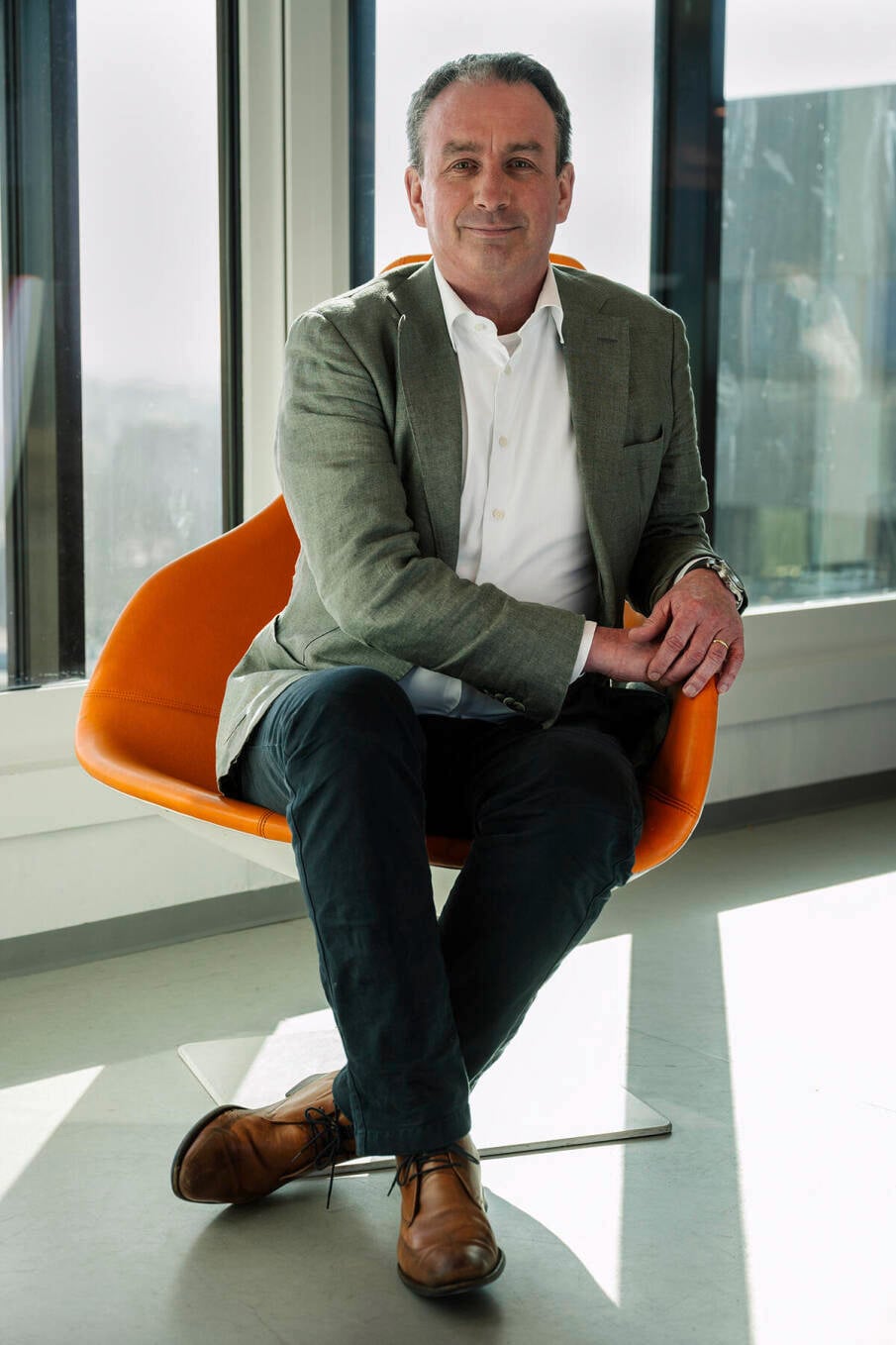
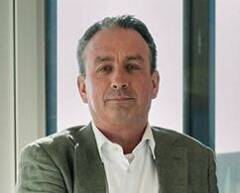
Willem de Vries is a pediatrician-neonatologist, professor of Pediatrics, Head of the Emma Children's Hospital, and Chair of the Women and Children's Division at Amsterdam UMC.
“Tomorrow starts today”, says Willem de Vries. “Everything we do now has an impact on the future. We need to conduct research today to improve healthcare tomorrow. We need to train those who will provide that care. I strongly feel that urgency and responsibility. And we can't do it alone.”
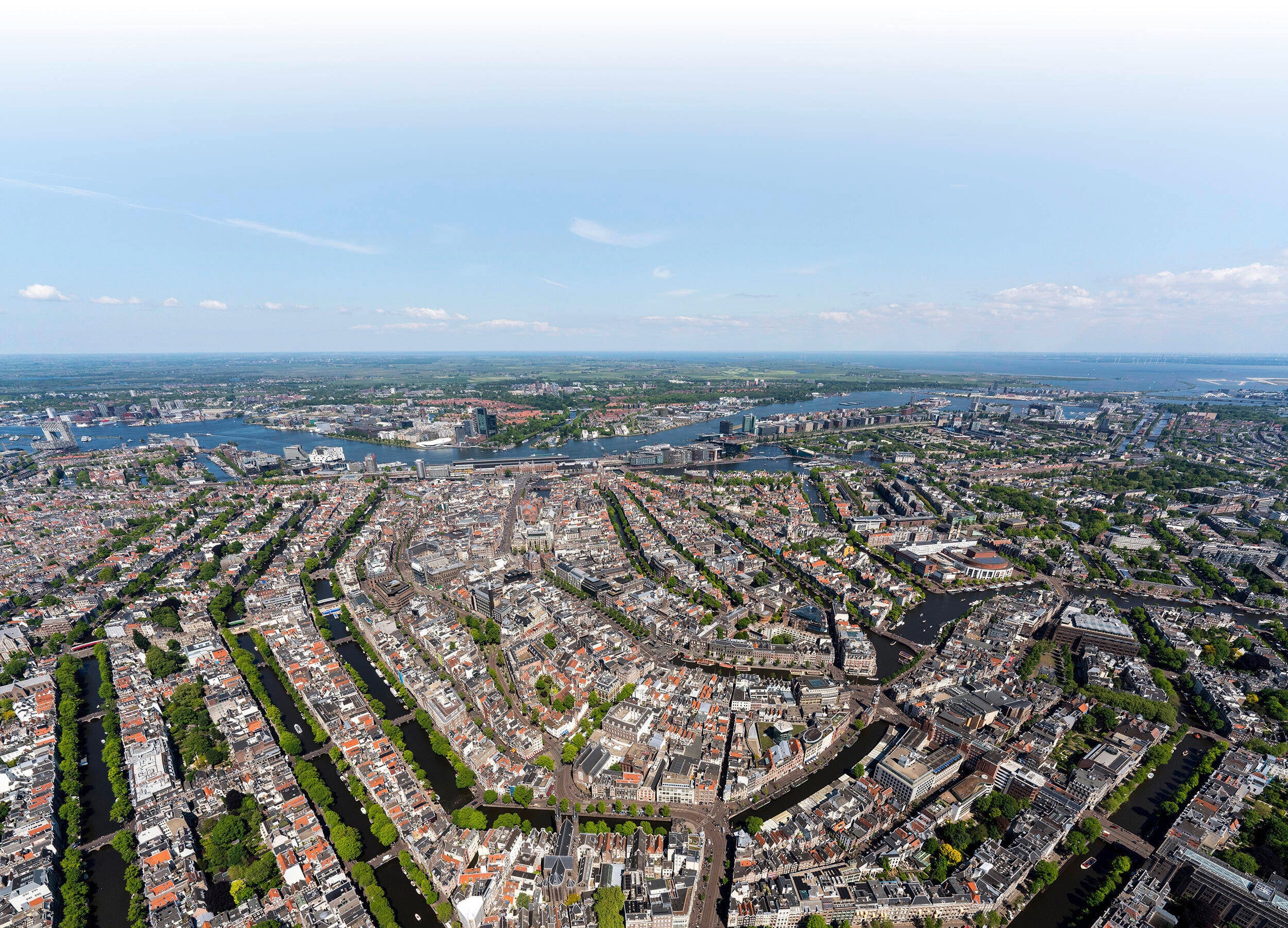
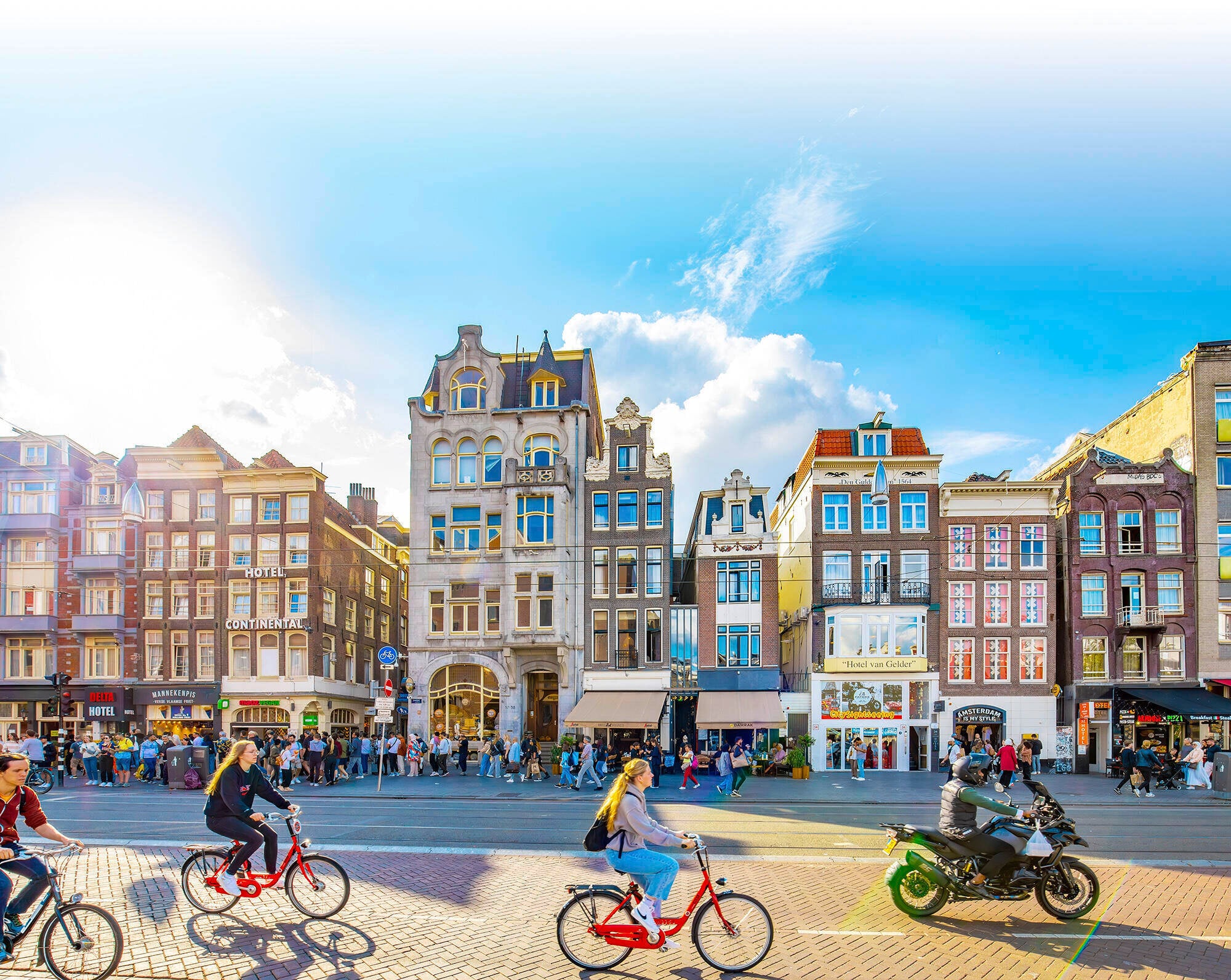
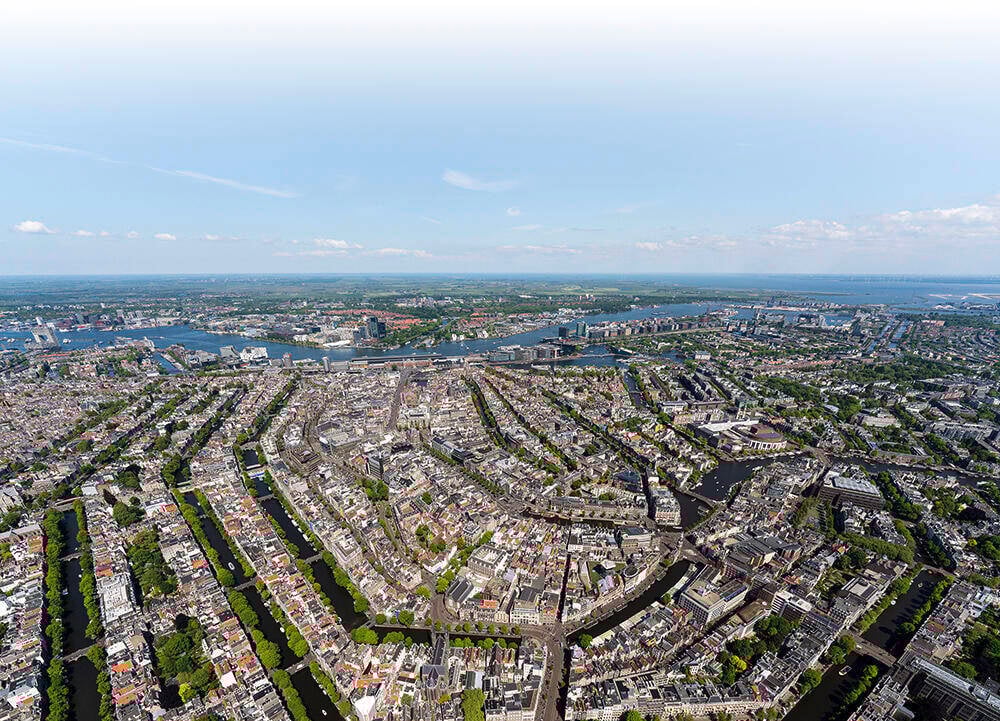
From his office on the seventh floor of the Emma Children's Hospital, he points out what it is all about. There: Schiphol Airport. There: the Zuidas business district. There: the Bijlmer neighborhood. They are geographically close, yet the differences are enormous – in living conditions, income, and opportunities. And that, says De Vries, means that a hospital dedicated to caring for children – for future generations, cannot be inward-looking. “To tackle the major health issues, we have to work beyond the walls of the hospital.”
Is that the task of a university medical center?
De Vries: “For a long time, academic hospitals focused primarily internally on tertiary care. But as a knowledge institute, we also have a responsibility for the world around us. People from the Bijlmer neighborhood should be able to come in here, and if they don't require tertiary care, we must make sure they are referred to the right place. That means sharing care with regional hospitals, general practitioners, community health centers, and other partners. Not only to make optimal use of capacity, but also to improve quality of care. And ideally, to prevent people from ending up in hospital – and that requires even broader social collaboration.”
‘We need to ask our partners in society: how can we help?’

‘There are so many ways to make an impact.’
How do you approach this collaboration?
“Above all: don't think that, as an academic hospital, you know best. And don't start by expecting things from others. How can we help? That's the question we need to ask. What does the other party need from us? What can we learn from each other? How can the partnership create value for both sides? That leads to a completely different conversation.
We are a large organization; we can provide knowledge, expertise, and people. For example, researchers who are jointly appointed and work part-time in partner organizations. Or our pediatricians who can advise councilors on the impact of poor air quality on the health of our patients. Or our doctors who, together with the Public Health Service (GGD), are improving the provision of information about vaccinations for specific target groups. Or the initiative of one of our young doctors to conduct research into the effect of so-called ‘unseen care’ on refugees. It's about connecting people so that together we can increase our impact.”
This vision is reflected in the multi-year strategy A Healthy Future for All. Do you notice it gaining momentum?
“Many colleagues were already personally committed to making a societal impact. Having it explicitly embedded in our Amsterdam UMC strategy reinforces that this way of working is both valid and necessary. We are, first and foremost, a hospital – care is our primary responsibility. To provide good care, now and in the future, we must educate professionals. And to improve that care, we must conduct research. In that order, as far as I'm concerned. You can excel and make an impact in those three domains. Impact is certainly not only reflected in your h-index, the number of publications, or PhD theses supervised. You can also make an impact through healthcare evaluation research, innovative education, or by contributing directly to society. That means giving people the freedom to do things differently.”
Offering colleagues flexibility is part of A Healthy Future for All. What does this mean for Amsterdam UMC as an employer?
“The fact that we obtained an innovation grant for WeCare says a lot. We aim to become the most family-friendly employer in the Netherlands. We started by asking our staff what they need to balance their work with caring for their families – and, as far as I'm concerned, their wider family network as well. That ranges from lactation rooms to childcare, and from flexible scheduling to support when returning to work after maternity leave. As an employer, we must think creatively and flexibly about the possibilities. Not everything will be feasible, but for me, 'no' is always an invitation to ask: why not?
I once wrote an introductory piece about a healthy life-work balance. I was corrected on that phrasing, changing it to work-life balance. Even though I had chosen the original phrasing deliberately. The order of those words says a great deal about how we define priorities in society – including in the workplace.”
What will the Emma Children's Hospital of the future look like?
“To explore that question, we will be applying Future Design. That means designing from the perspective of people living today, but also from the perspective of future generations. With every decision we make, we must consider its impact on their opportunities. And who is better positioned than Emma to set that example?”
As you said, there is a lot to be done. At the same time, the world is changing fast – not always in ways that benefit future generations. How do you remain hopeful about the future?
“As Head of this children's hospital and as a father, I sometimes wonder: where is this world headed? But my glass is always three-quarters full. I may not be able to change the world, but I happen to be in a position in which I have opportunities and access, which allows me to contribute just a little more than others. So, I feel obliged to do so. In just over six years, I will be retiring. By then I hope to leave behind an organization where people enjoy working, an organization that fulfills its care responsibilities, maintains a broad outlook, and that contributes to improving people's well-being, including their mental health. It may sound ambitious now that I say it out loud. There is still so much to do. That's what I mean by urgency: we can't waste any time."
Anna van der Hulst
Willem de Vries
Tessa Roseboom
Arne Popma
Photo: Marieke de Lorijn
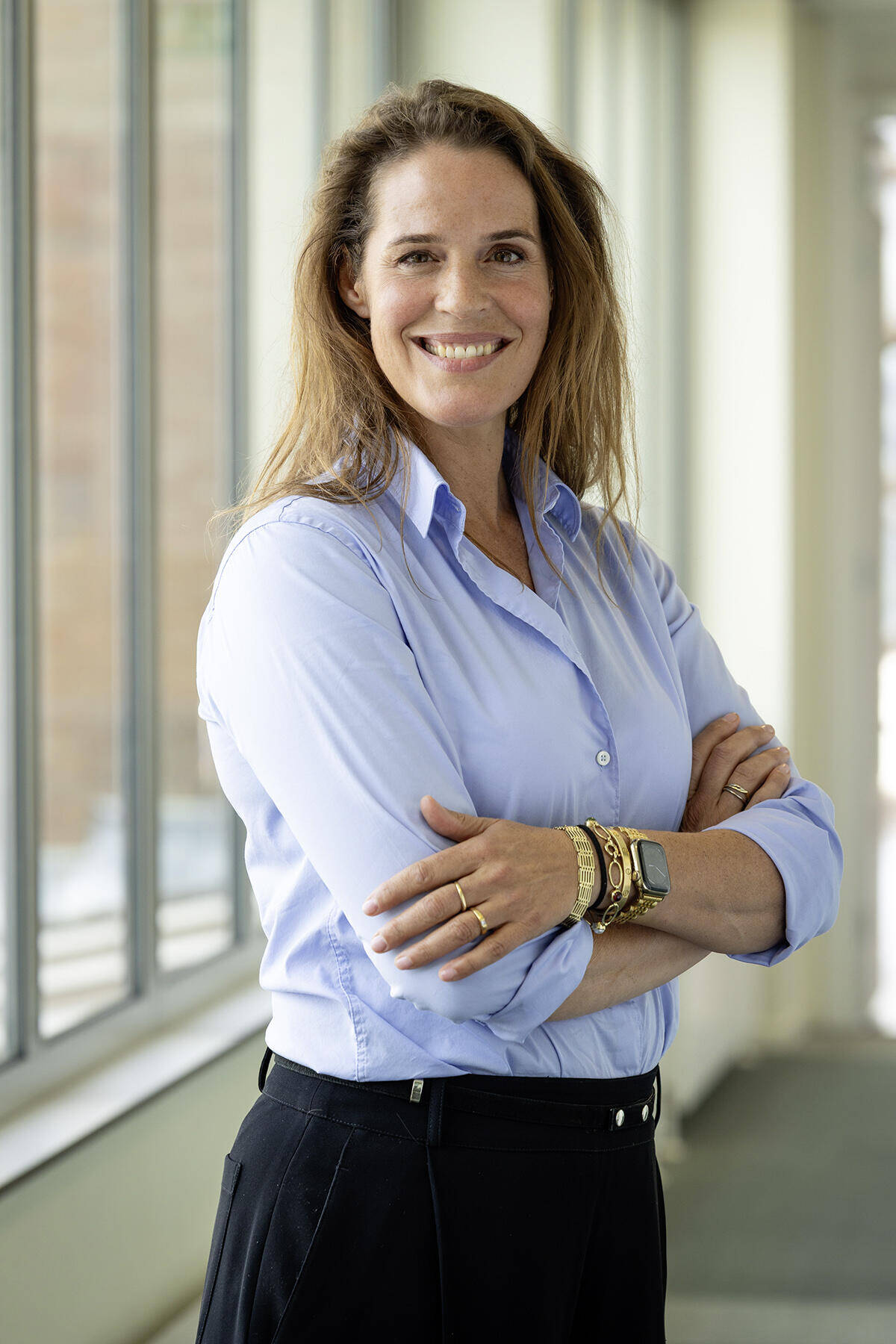
Amsterdam UMC is the first academic hospital in the world to have a Future Generations Commissioner. For Tessa Roseboom, professor of Early Development and Health, this was a logical next step. “The more I learned from our research, the more I wondered: why is so little being done with this knowledge? After all, no one is opposed to giving children a good start in life. It's just that we don't really know how we – as individuals and as a society – can make this happen.”
This pioneering role is perfectly suited to her. It was a giant leap forward in just a few years: starting from the > Dutch Famine Birth Cohort study < – which was one of the first to convincingly show that environmental influences before birth can have a lasting impact on a person’s health decades later – to the national programme > SolidStart <, to a leap of faith as Future Generations Commissioner. Two parallel developments made this possible. On the one hand, scientific knowledge about early development and health continued to expand, providing insights that Roseboom helped translate into policy. On the other hand, an international movement emerged giving voice to voiceless generations: those yet to be born. This movement’s aim was to ensure that the interests of future generations are considered in today’s decisions. With a Future Generations Commissioner, these two streams are now joined into one.
Roseboom: “It seems to have happened overnight, but I started studying the Famine Birth Cohort thirty years ago. It slowly dawned on us how decisively the environment before birth and during the first years of life impacts later health. This means that in this moment, we are shaping the future opportunities for children who are not yet born, who are not here to represent themselves in the decisions and actions we take that affect their health and futures. I wrote a book about the first 1,000 days, bringing together insights from different scientific fields, ranging from biology to economy. When I presented it to the Minister of Health Hugo de Jonge, I was invited to contribute to the national program Solid Start, which was being drafted at the time. That experience was not only a wonderful opportunity, but also an invaluable learning process for me.”
What did you learn from collaborating with policymakers?
“Above all, that as a scientist, you shouldn't just talk about the evidence you've found. It matters, but it's not enough to provoke policy change. It takes a village to raise a child. That village needs to be actively involved. With the national programme Solid Start, we did that by creating a coalition of diverse professionals, parents and stakeholder organisations that worked together rolling out national policy in all municipalities. I learned a lot by talking to councilors, general practitioners, debt counselors, and youth healthcare workers. That is also your job as a scientist: to seek out that connection, to ask stakeholders why they do what they do in their practice. And to find out what motives them. Because everyone wants to do the right thing, but it is not always clear how that can be achieved. I start my presentations to Members of Parliament with: ‘What made you set aside time for this topic?’, because that answer reveals their real question to me. Only when you understand each other's needs and obstacles can you write a joint story and get past the hurdle of short-term thinking. Although money always remains a difficult part of the conversation.”
At this time, the UN formulated the Declaration on Future Generations.
“In recent years, there has been growing international recognition that the interests of future generations must be taken into account in today’s policies and actions. In 2023, I initiated a series of conversations with scientists, policymakers, and civil society organizations about how to incorporate the interests of future generations and how science, practice, and policy can reinforce one another towards this end. As a result of my research and these conversations, I was invited to provide input into the UN document that was used to prepare the UN Declaration on Future Generations.
At the same time, we were developing a new multi-year strategy at Amsterdam UMC in which 'making societal impact' was given greater prominence. I was keen to ensure that our impact on the health of future generations would play a prominent role in that strategy. As the first Future Generations Commissioner of an academic hospital, I was able to attend the UN Summit of the Future and witness the historical moment of the ratification of the Declaration on Future Generations. Now I get to explore how we can translate the words of that declaration into daily practice at Amsterdam UMC.”
Foto: Marieke de Lorijn
A hospital provides care for today's patients. How does that relate to the focus on future generations?
“That is not a contradiction. Although our priority is to cure people who are ill today, we also bear a responsibility to create conditions that allow future generations to live healthy lives. In this way, we contribute to ensuring that healthcare remains accessible for those who will need it in the future.”
How would you describe your role as Future Generations Commissioner?
“My ambition is to serve society through science and drive the transition towards a healthy and sustainable future. We aim to make an impact on society by creating, sharing, and using knowledge. Ultimately, this is about creating an environment in which future generations can develop their full potential. A future where individual opportunities are no longer determined by where you were born. Clearly, specifying this ambition remains a challenge given the scale of the work ahead.”
The mission of the Future Generations Commissioner at Amsterdam UMC
1 Create knowledge
2 Share knowledge
3 Use knowledge
4 Strategy development

Which aspects of this mission are already being realized at Amsterdam UMC?
“Creating knowledge means that we conduct research and bring together the insights from the many studies and projects at Amsterdam UMC that can already contribute to a healthy future. We need to have conversations with policymakers, healthcare professionals, and the general public. These conversations, and our narrative, is certainly something we need to work on. If we wish to have more impact we need to have more curious conversations. We are exploring with which stakeholders we can form alliances to achieve this, in the city of Amsterdam, in the Netherlands, and worldwide. At the same time, we need to figure out how we are going to take the interests of future generations into account ourselves. An example of how Amsterdam UMC attempts to do this is through experimenting with Future Design in formulating various aspects of the long-term strategy. In addition, Amsterdam UMC runs a programme working towards family friendly work, aimed at better meeting the needs of our colleagues who combine work with caring for their own future generations.”

Tessa Roseboom, Future Generations Commissioner at Amsterdam UMC
Finally, I’ll ask you the same question: what motivates you?
“I realize how lucky I have been to have had opportunities because of the circumstances into which I happened to be born. I wish everyone would get the opportunities to develop their talents. I feel motivated to devote all my abilities to contributing to making that dream a reality. My grandmother was just as curious and ambitious a girl as I am. However, she did not get the opportunity to learn and had to leave school at the age of nine, whereas I was able to go to university and become a professor at forty. My grandmother used her frustration to drive change to improve the opportunities for her children. That is bittersweet and provides hope: so much can change in two generations. That gives me enormous drive.”
References
In this podcast series, Tessa Roseboom had conversations about future generations with people from different walks of life discussing their professional and personal motivations for contributing to intergenerational solidarity and justice. The series was produced by the Institute for Advanced Study at the University of Amsterdam (2024).

Anna van der Hulst
Willem de Vries
Tessa Roseboom
Arne Popma
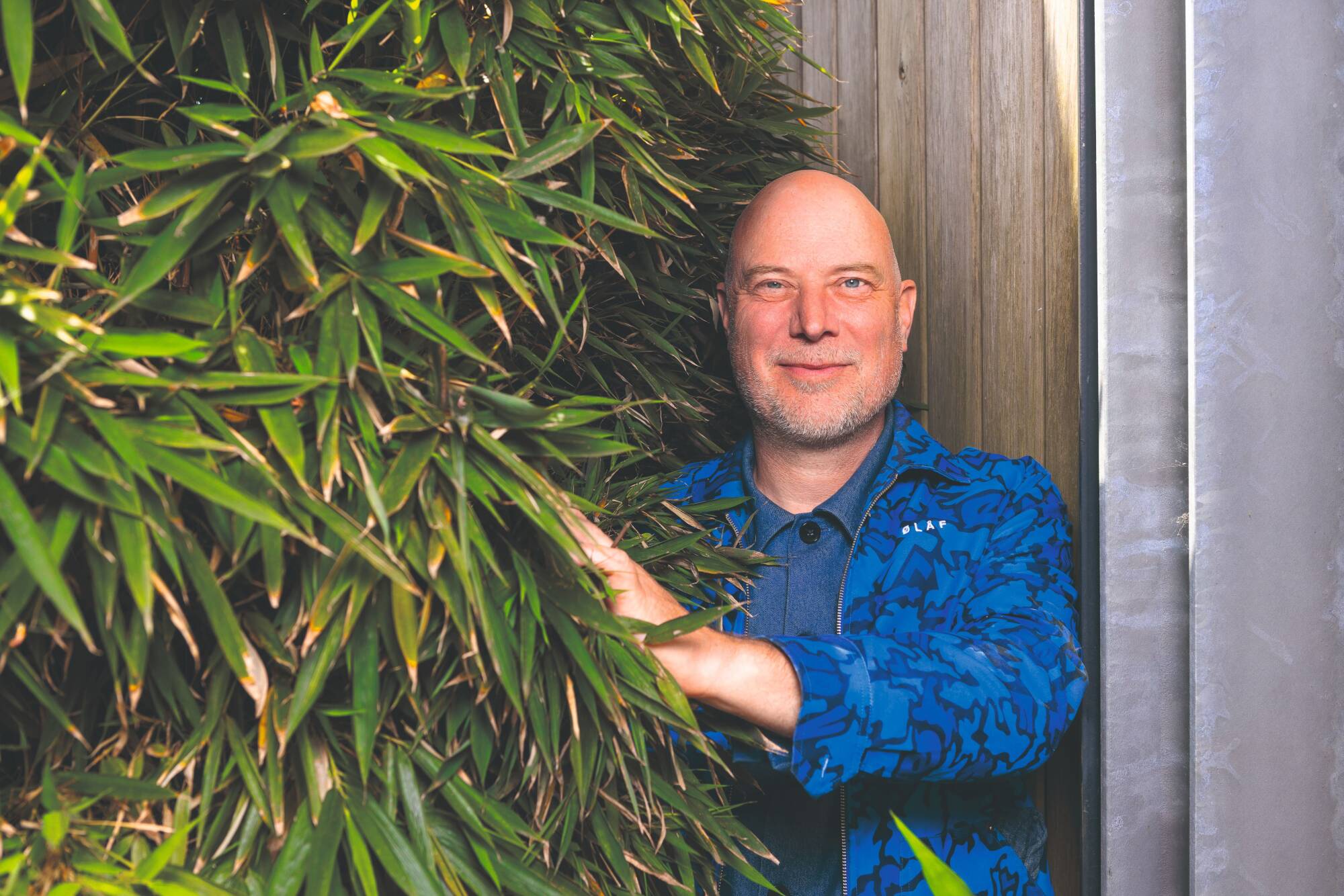
Photo: Martijn Gijsbertsen
Arne Popma is Professor of Child and Adolescent Psychiatry and Head of the Department of Psychiatry at Amsterdam UMC.
World Health Organization (WHO) project mental health conditions to become the leading global burden of disease by 2030. They often start early in life and persist for many years, sometimes even affecting subsequent generations. “It affects not only individuals, but society as a whole”, says Arne Popma. “That is why we must act collectively to promote and protect mental health – starting now.”
You compare the efforts needed today to the construction of sewage systems a century and a half ago.
“At the time that investment marked a major breakthrough in public health. It became clear that infectious diseases we dramatically affecting life expectancy, quality of life, and health in general. There was widespread recognition that this problem required a collective approach. As a result, large-scale investments were made in public infrastructure: sewage systems and clean drinking water.
I believe we have reached a similar moment for mental health. We need to address it collectively – not only for today's generations, but for future generations as well. The principle is the same: if we improve conditions now, we can achieve a major leap forward in the health of future generations.”
What is the role of Amsterdam UMC in this?
“It is the task of university medical centers to work with partners to find solutions to societal problems. We must make our knowledge available and share it to jointly arrive at solutions that can improve public health. And there is a great deal of knowledge available already. For example, we know that public mental health benefits enormously when people are not overly stressed about money, when parents can get parenting support, and when children are not bullied at school. By addressing these issues—and as far as I'm concerned, we should do so in a long-term national program—we can make enormous gains. But it won't be solved overnight, which is why we need to invest now. We need to start with young people, because three-quarters of all mental problems begin before the age of 25.”
‘Together with partners, we can form an ecosystem that strengthens public mental health.’

What role can academic psychiatry play in this?
“Psychiatry is there for people with serious mental health problems. As a university medical center, we will continue to care for them and conduct research into new treatments and improvements in care. Not only to treat mental health problems, but also to prevent their transmission, for example among (expectant) parents with mental health problems. In addition, we must work with other parties to contribute much more to society as a whole to help prevent mental health problems. Together, we can form an ecosystem that strengthens public health. Ensuring that young people have sufficient resilience to cope with life and all its ups and downs: that is a task for the ecosystem as a whole.”
So, focus more on prevention?
“Often when I see young people in my clinic, I think: if only there had been support for you earlier. Precisely because young people develop so quickly, stagnation quickly leads to decline. A setback can trigger a vicious circle in which a problem grows into a collection of problems or a serious disorder—through a negative effect on self-image, loneliness, poor school performance, and so on. Whereas that could perhaps have been prevented or could have been less serious with timely help. So yes, an ounce of prevention is worth a pound of cure. And that probably applies not only to these young people themselves, but also to the next generation of which they will become parents.”
How do you tackle that?
“It requires curiosity on our part. Curiosity to relate to the rapidly changing world in which young people live. Above all, we must not decide what is good for them. We must ask them ourselves and then contribute our knowledge. And we must bring that knowledge to the places where they go: schools, neighborhoods, sports clubs, online platforms. This applies more broadly, too: people want warm, engaged psychiatry with specific scientific knowledge. We can and must be that.”
You call it ‘loving psychiatry at the heart of society’.
“I think the word ‘loving’ sums it up well. A prerequisite for good care is that people feel heard and seen, that they feel there is genuine attention. This applies not only to our healthcare provision, but also to our scientific research: we can use scientific arguments to stand up for people who are not seen or heard. We are also increasingly trying to structure our training and education in such a way that the psychiatrists of the future incorporate this social perspective into their thinking about the profession. And vice versa: today’s students are concerned and want to actively contribute to a better future. They teach us a lot about the world of today’s young people. Being loving and developing knowledge: the combination of these two aspects is where our added value lies.”

Future Generations | March 2026
© Amsterdam UMC 2026
Anna van der Hulst
Willem de Vries
Tessa Roseboom
Arne Popma
Photo: GGD Amsterdam
Anna van der Hulst is director of the Public Health Service of Amsterdam (GGD Amsterdam). Prior to that, she held healthcare management positions at OLVG and Amsterdam UMC. She is also one of the twelve members of the Societal Advisory Board, which advises Amsterdam UMC on its societal impact.
get involved!’
As director of the largest Public Health Service in the Netherlands, Anna van der Hulst faces the complex task of shifting ‘from care to health’ and strengthening equal opportunities for future generations. Science has a major role to play in this transition, she says – but so does the nurse at the bedside. “As an academic hospital, you hold some of the most important levers for change.”
'We stand on the shoulders of our ancestors.’ This certainly applies to organizations such as the Public Health Service and Amsterdam UMC. Founders such as Catharine van Tussenbroek, Samuel Sarphati, and Samuel de Ranitz not only transformed healthcare, but also changed living conditions and increased attention to poverty in Amsterdam. “They cared deeply about the most vulnerable in this city”, says Anna van der Hulst. “They understood the connection between how people lived and the outbreaks of infectious diseases. They realized that they had to address problems at the level of the city, not just at the level of individuals – not only build a children's hospital but also constructing a sewage system.”
The courageous approach is part of the DNA of the Public Health Service of Amsterdam?
“During the heroin crisis, society largely turned its back on people with addiction. We chose a different path: we provided methadone and clean needles, helped people step out of crime, and made the city safer and more livable for everyone. In the early years of HIV, when patients were often treated as outcasts, the Public Health Service partnered with Amsterdam UMC to set up a cohort study to monitor the virus and study behavioral change. Seeing what is needed – even when it goes against convention –and having the courage to act: that is who we are, and our city council has never been afraid to support that approach. I believe Amsterdam, as the capital, should take the lead in the transition ‘from disease to health’. The Public Health Service of Amsterdam is the canary in the coal mine: our professionals are often the first to detect emerging problems. For Amsterdam UMC, it makes sense to position itself right alongside that canary and conduct research from there.”
‘Valorisation is more important than ever in this changing society.’
Amsterdam was the first city in the Netherlands to launch the Solid Start programme.
“And that is exactly what is needed: collaboration between science, the city, the Public Health Service, and all organizations involved in supporting young families. That is the only way to tackle disparities. Especially in those first 1,000 days of life, when you can achieve the biggest impact on people's lifecourse. The Public Health Service sees every child in this city from zero to eighteen years of age, and we want our work to be firmly rooted in scientific evidence. For Amsterdam UMC, working with the Public Health Service also provides a gateway to policy and the broader social domain. Partnering, testing, investigating, and then scaling – that is exactly it.”
How can Amsterdam UMC support the Public Health Service's mission?
“Our shared mission is to create equal opportunity when it comes to health. When you look at the ‘opportunity map’, the Netherlands performs poorly in providing equal opportunities for children growing up in disadvantaged families – and the consequences persist throughout life. Health disparities are increasing instead of decreasing, as those with higher levels of education are more likely to act upon health advice, which unintentionally widens the gap. This is because determinants of health are largely shaped by living conditions: whether you live in a safe and healthy home and neighborhood, whether you have access to information, and whether you can reduce stress... As health advocates, we need to get involved in other domains as well – precisely to prevent disease in the first place. Academia plays a vital role in this. I would welcome more joint professors: scientists who act as bridges and spend part of their week with us, working on the ground. They need to meet people firsthand, understand what community partners are doing, and understand from within what the system truly requires.”
Why is science so important in this transition?
“Trust in the government has declined, but scientists are still seen as influential and credible. An academic title carries weight in the public debate. Valorisation – translating academic knowledge into societal impact – is more important than ever in today’s changing society. Firstly, to demonstrate that your interventions are effective, particularly when it comes to prevention and the justification of allocating budget for this. Secondly, to share knowledge that is useful to the general public is important. Don't underestimate the influence of an item on television in which a professor talks about poop. Suddenly everyone was talking about it, including those you might otherwise not reach. Sharing smart tips and simple tools based on scientific knowledge: there is so much low-hanging fruit when it comes to encouraging healthy behavior! Then the conversation is no longer about disease, but about health and resilience.”
‘Health advocates must get involved in other areas of society to help prevent disease before it occurs.’
How can the Public Health Service and Amsterdam UMC further strengthen each other?
“We have a very close-knit, professionally built network of informal leaders and key figures within local communities. These are people who can really gain traction with people in the most vulnerable situations because they speak the same language. That is a strength we must fully leverage. Conversely, caregivers at the hospital bedside also hold crucial keys. People are often most open to advice and behavioral change when they are sick or have just had a child. A nurse might notice: this woman is lonely, no one comes to visit her, she will need further help after discharge. In that moment, it is essential to know how to navigate the social domain and arrange appropriate follow-up care. The same applies when someone is struggling with a drinking problem or debt. Amsterdam UMC can act as a guide in that referral pathway to social services. The protocols of the Emergency Department have been guiding the entire region for years – why not develop similar protocols for social referral? We have to work together. Playing chess on multiple boards at once, building dense networks of collaboration, embedding health in all policies — that is today’s equivalent to constructing a sewage system. It is laying foundations for a healthy future for all.”
Future Generations | March 2026
© Amsterdam UMC 2026
Anna van der Hulst
Willem de Vries
Tessa Roseboom
Arne Popma
Photos: David van Dartel
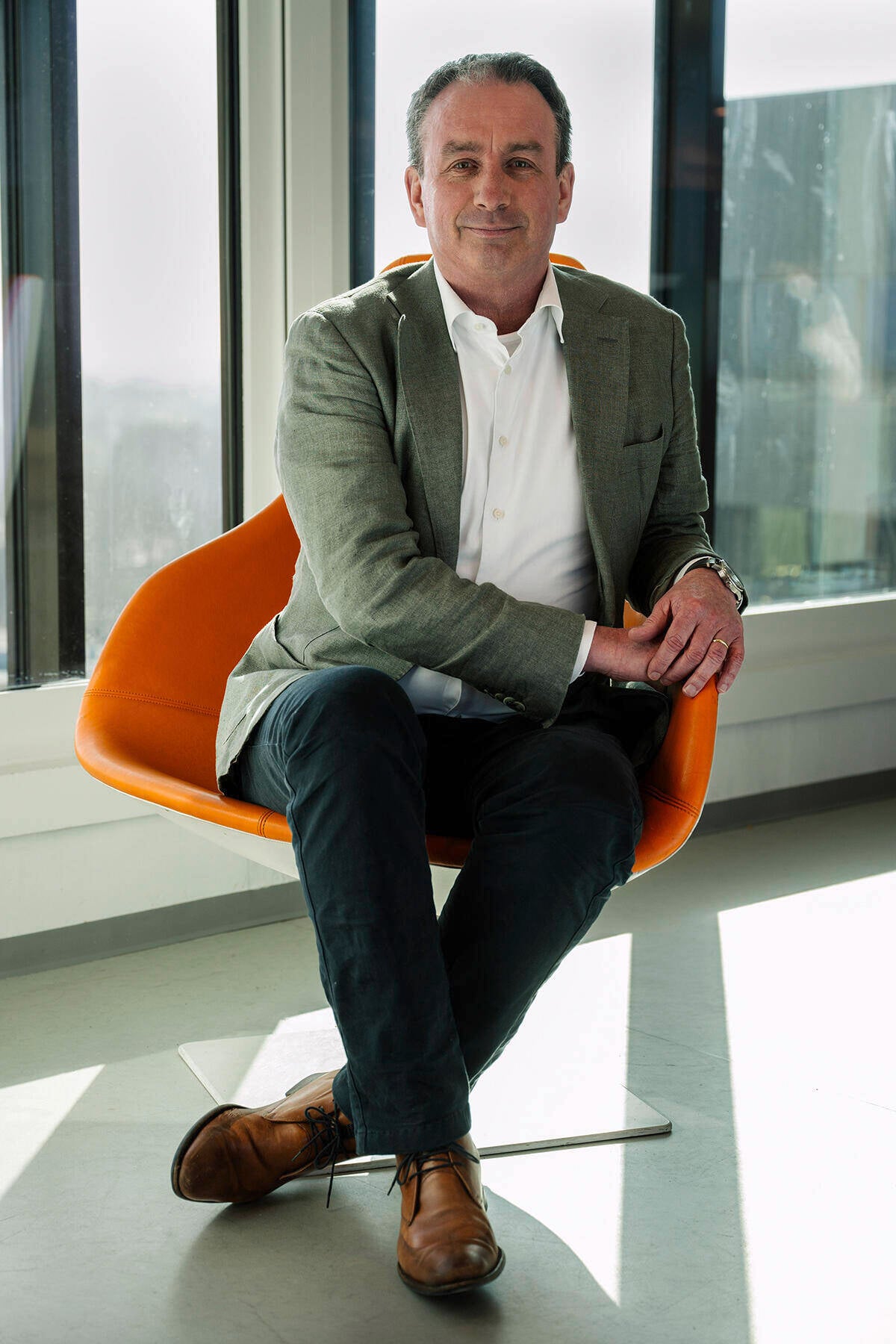
Willem de Vries is a pediatrician-neonatologist, professor of Pediatrics, Head of the Emma Children's Hospital, and Chair of the Women and Children's Division at Amsterdam UMC.
“Tomorrow starts today”, says Willem de Vries. “Everything we do now has an impact on the future. We need to conduct research today to improve healthcare tomorrow. We need to train those who will provide that care. I strongly feel that urgency and responsibility. And we can't do it alone.”
From his office on the seventh floor of the Emma Children's Hospital, he points out what it is all about. There: Schiphol Airport. There: the Zuidas business district. There: the Bijlmer neighborhood. They are geographically close, yet the differences are enormous – in living conditions, income, and opportunities. And that, says De Vries, means that a hospital dedicated to caring for children – for future generations, cannot be inward-looking. “To tackle the major health issues, we have to work beyond the walls of the hospital.”
Is that the task of a university medical center?
De Vries: “For a long time, academic hospitals focused primarily internally on tertiary care. But as a knowledge institute, we also have a responsibility for the world around us. People from the Bijlmer neighborhood should be able to come in here, and if they don't require tertiary care, we must make sure they are referred to the right place. That means sharing care with regional hospitals, general practitioners, community health centers, and other partners. Not only to make optimal use of capacity, but also to improve quality of care. And ideally, to prevent people from ending up in hospital – and that requires even broader social collaboration.”
‘There are so many ways to make an impact.’
How do you approach this collaboration?
“Above all: don't think that, as an academic hospital, you know best. And don't start by expecting things from others. How can we help? That's the question we need to ask. What does the other party need from us? What can we learn from each other? How can the partnership create value for both sides? That leads to a completely different conversation.
We are a large organization; we can provide knowledge, expertise, and people. For example, researchers who are jointly appointed and work part-time in partner organizations. Or our pediatricians who can advise councilors on the impact of poor air quality on the health of our patients. Or our doctors who, together with the Public Health Service (GGD), are improving the provision of information about vaccinations for specific target groups. Or the initiative of one of our young doctors to conduct research into the effect of so-called ‘unseen care’ on refugees. It's about connecting people so that together we can increase our impact.”
This vision is reflected in the multi-year strategy A Healthy Future for All. Do you notice it gaining momentum?
“Many colleagues were already personally committed to making a societal impact. Having it explicitly embedded in our Amsterdam UMC strategy reinforces that this way of working is both valid and necessary. We are, first and foremost, a hospital – care is our primary responsibility. To provide good care, now and in the future, we must educate professionals. And to improve that care, we must conduct research. In that order, as far as I'm concerned. You can excel and make an impact in those three domains. Impact is certainly not only reflected in your h-index, the number of publications, or PhD theses supervised. You can also make an impact through healthcare evaluation research, innovative education, or by contributing directly to society. That means giving people the freedom to do things differently.”
Offering colleagues flexibility is part of A Healthy Future for All. What does this mean for Amsterdam UMC as an employer?
“The fact that we obtained an innovation grant for WeCare says a lot. We aim to become the most family-friendly employer in the Netherlands. We started by asking our staff what they need to balance their work with caring for their families – and, as far as I'm concerned, their wider family network as well. That ranges from lactation rooms to childcare, and from flexible scheduling to support when returning to work after maternity leave. As an employer, we must think creatively and flexibly about the possibilities. Not everything will be feasible, but for me, 'no' is always an invitation to ask: why not?
I once wrote an introductory piece about a healthy life-work balance. I was corrected on that phrasing, changing it to work-life balance. Even though I had chosen the original phrasing deliberately. The order of those words says a great deal about how we define priorities in society – including in the workplace.”
What will the Emma Children's Hospital of the future look like?
“To explore that question, we will be applying Future Design. That means designing from the perspective of people living today, but also from the perspective of future generations. With every decision we make, we must consider its impact on their opportunities. And who is better positioned than Emma to set that example?”
As you said, there is a lot to be done. At the same time, the world is changing fast – not always in ways that benefit future generations. How do you remain hopeful about the future?
“As Head of this children's hospital and as a father, I sometimes wonder: where is this world headed? But my glass is always three-quarters full. I may not be able to change the world, but I happen to be in a position in which I have opportunities and access, which allows me to contribute just a little more than others. So, I feel obliged to do so. In just over six years, I will be retiring. By then I hope to leave behind an organization where people enjoy working, an organization that fulfills its care responsibilities, maintains a broad outlook, and that contributes to improving people's well-being, including their mental health. It may sound ambitious now that I say it out loud. There is still so much to do. That's what I mean by urgency: we can't waste any time."
Future Generations | March 2026
© Amsterdam UMC 2026
Anna van der Hulst
Willem de Vries
Tessa Roseboom
Arne Popma
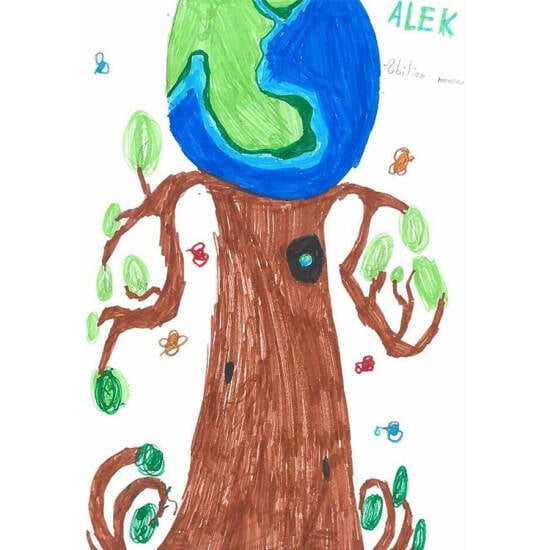
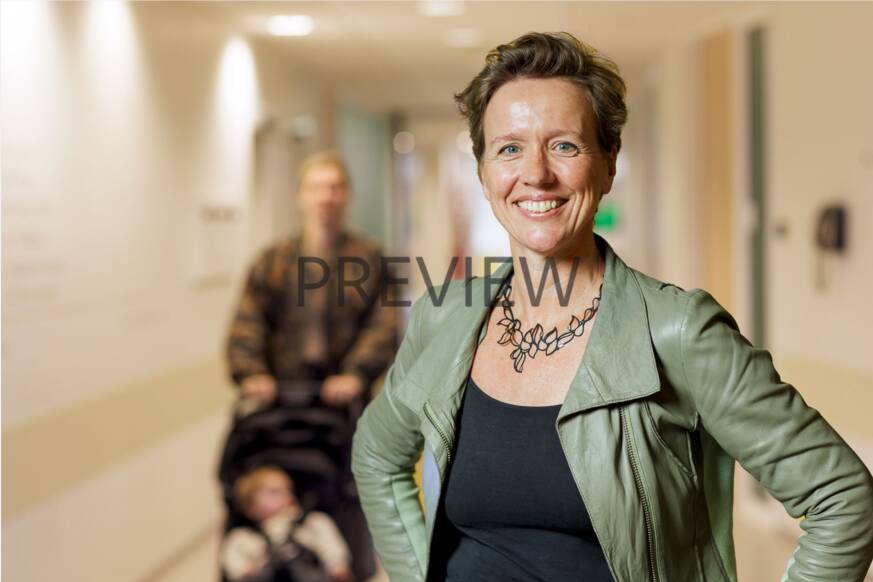
Photo: Marieke de Lorijn
Amsterdam UMC is the first academic hospital in the world to have a Future Generations Commissioner. For Tessa Roseboom, professor of Early Development and Health, this was a logical next step. “The more I learned from our research, the more I wondered: why is so little being done with this knowledge? After all, no one is opposed to giving children a good start in life. It's just that we don't really know how we – as individuals and as a society – can make this happen.”
This pioneering role is perfectly suited to her. It was a giant leap forward in just a few years: starting from the > Dutch Famine Birth Cohort study < – which was one of the first to convincingly show that environmental influences before birth can have a lasting impact on a person’s health decades later – to the national programme > SolidStart <, to a leap of faith as Future Generations Commissioner. Two parallel developments made this possible. On the one hand, scientific knowledge about early development and health continued to expand, providing insights that Roseboom helped translate into policy. On the other hand, an international movement emerged giving voice to voiceless generations: those yet to be born. This movement’s aim was to ensure that the interests of future generations are considered in today’s decisions. With a Future Generations Commissioner, these two streams are now joined into one.
Roseboom: “It seems to have happened overnight, but I started studying the Famine Birth Cohort thirty years ago. It slowly dawned on us how decisively the environment before birth and during the first years of life impacts later health. This means that in this moment, we are shaping the future opportunities for children who are not yet born, who are not here to represent themselves in the decisions and actions we take that affect their health and futures. I wrote a book about the first 1,000 days, bringing together insights from different scientific fields, ranging from biology to economy. When I presented it to the Minister of Health Hugo de Jonge, I was invited to contribute to the national program Solid Start, which was being drafted at the time. That experience was not only a wonderful opportunity, but also an invaluable learning process for me.”
What did you learn from collaborating with policymakers?
“Above all, that as a scientist, you shouldn't just talk about the evidence you've found. It matters, but it's not enough to provoke policy change. It takes a village to raise a child. That village needs to be actively involved. With the national programme Solid Start, we did that by creating a coalition of diverse professionals, parents and stakeholder organisations that worked together rolling out national policy in all municipalities. I learned a lot by talking to councilors, general practitioners, debt counselors, and youth healthcare workers. That is also your job as a scientist: to seek out that connection, to ask stakeholders why they do what they do in their practice. And to find out what motives them. Because everyone wants to do the right thing, but it is not always clear how that can be achieved. I start my presentations to Members of Parliament with: ‘What made you set aside time for this topic?’, because that answer reveals their real question to me. Only when you understand each other's needs and obstacles can you write a joint story and get past the hurdle of short-term thinking. Although money always remains a difficult part of the conversation.”
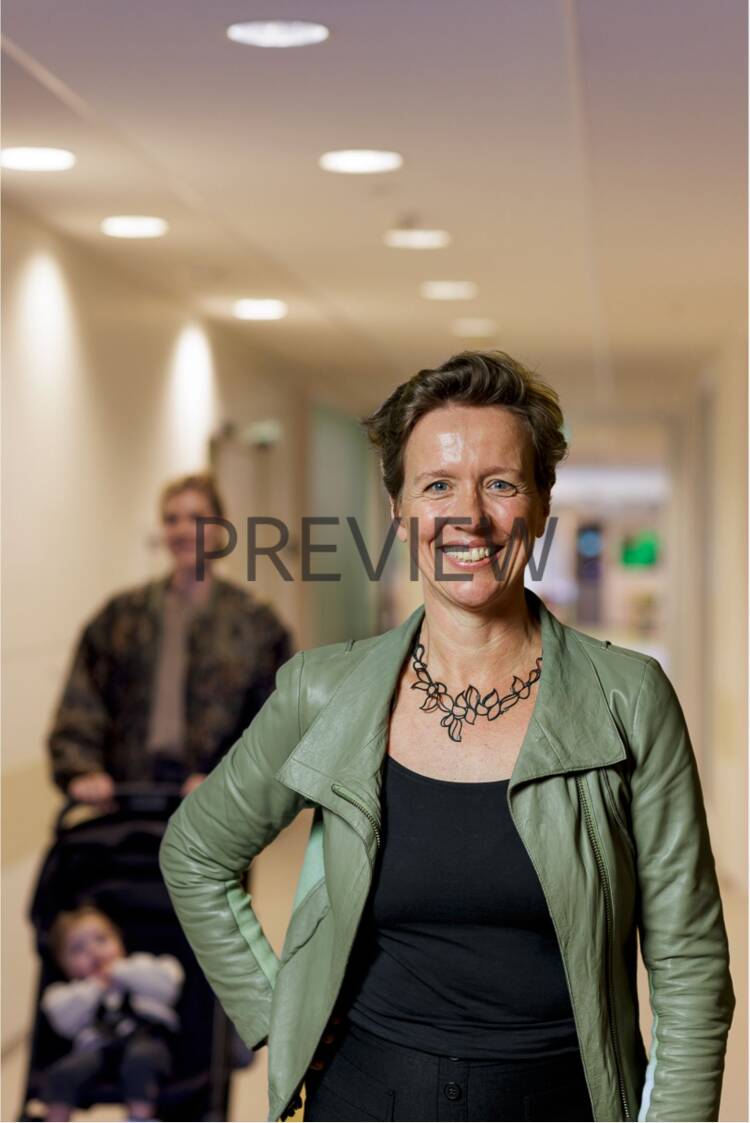
At this time, the UN formulated the Declaration on Future Generations.
“In recent years, there has been growing international recognition that the interests of future generations must be taken into account in today’s policies and actions. In 2023, I initiated a series of conversations with scientists, policymakers, and civil society organizations about how to incorporate the interests of future generations and how science, practice, and policy can reinforce one another towards this end. As a result of my research and these conversations, I was invited to provide input into the UN document that was used to prepare the UN Declaration on Future Generations.
At the same time, we were developing a new multi-year strategy at Amsterdam UMC in which 'making societal impact' was given greater prominence. I was keen to ensure that our impact on the health of future generations would play a prominent role in that strategy. As the first Future Generations Commissioner of an academic hospital, I was able to attend the UN Summit of the Future and witness the historical moment of the ratification of the Declaration on Future Generations. Now I get to explore how we can translate the words of that declaration into daily practice at Amsterdam UMC.”
Photo: Marieke de Lorijn
A hospital provides care for today's patients. How does that relate to the focus on future generations?
“That is not a contradiction. Although our priority is to cure people who are ill today, we also bear a responsibility to create conditions that allow future generations to live healthy lives. In this way, we contribute to ensuring that healthcare remains accessible for those who will need it in the future.”
How would you describe your role as Future Generations Commissioner?
“My ambition is to serve society through science and drive the transition towards a healthy and sustainable future. We aim to make an impact on society by creating, sharing, and using knowledge. Ultimately, this is about creating an environment in which future generations can develop their full potential. A future where individual opportunities are no longer determined by where you were born. Clearly, specifying this ambition remains a challenge given the scale of the work ahead.”
1 Create knowledge
2 Share knowledge
3 Use knowledge
4 Strategy development

Which aspects of this mission are already being realized at Amsterdam UMC?
“Creating knowledge means that we conduct research and bring together the insights from the many studies and projects at Amsterdam UMC that can already contribute to a healthy future. We need to have conversations with policymakers, healthcare professionals, and the general public. These conversations, and our narrative, is certainly something we need to work on. If we wish to have more impact we need to have more curious conversations. We are exploring with which stakeholders we can form alliances to achieve this, in the city of Amsterdam, in the Netherlands, and worldwide. At the same time, we need to figure out how we are going to take the interests of future generations into account ourselves. An example of how Amsterdam UMC attempts to do this is through experimenting with Future Design in formulating various aspects of the long-term strategy. In addition, Amsterdam UMC runs a programme working towards family friendly work, aimed at better meeting the needs of our colleagues who combine work with caring for their own future generations.”
Tessa Roseboom, Future Generations Commissioner at Amsterdam UMC
Finally, I’ll ask you the same question: what motivates you?
“I realize how lucky I have been to have had opportunities because of the circumstances into which I happened to be born. I wish everyone would get the opportunities to develop their talents. I feel motivated to devote all my abilities to contributing to making that dream a reality. My grandmother was just as curious and ambitious a girl as I am. However, she did not get the opportunity to learn and had to leave school at the age of nine, whereas I was able to go to university and become a professor at forty. My grandmother used her frustration to drive change to improve the opportunities for her children. That is bittersweet and provides hope: so much can change in two generations. That gives me enormous drive.”
References
In this podcast series, Tessa Roseboom had conversations about future generations with people from different walks of life discussing their professional and personal motivations for contributing to intergenerational solidarity and justice. The series was produced by the Institute for Advanced Study at the University of Amsterdam (2024).
Future Generations | March 2026
© Amsterdam UMC 2026
Anna van der Hulst
Willem de Vries
Tessa Roseboom
Arne Popma
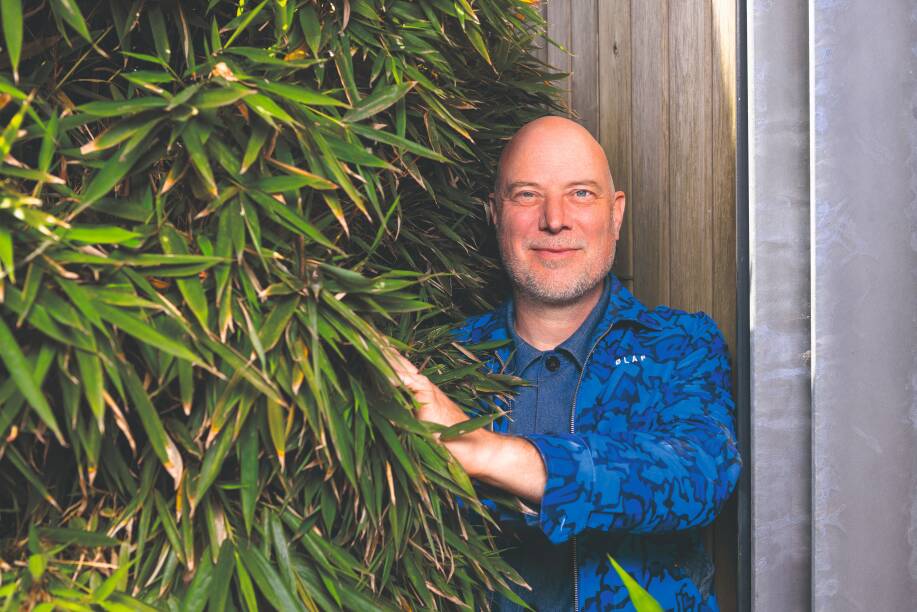
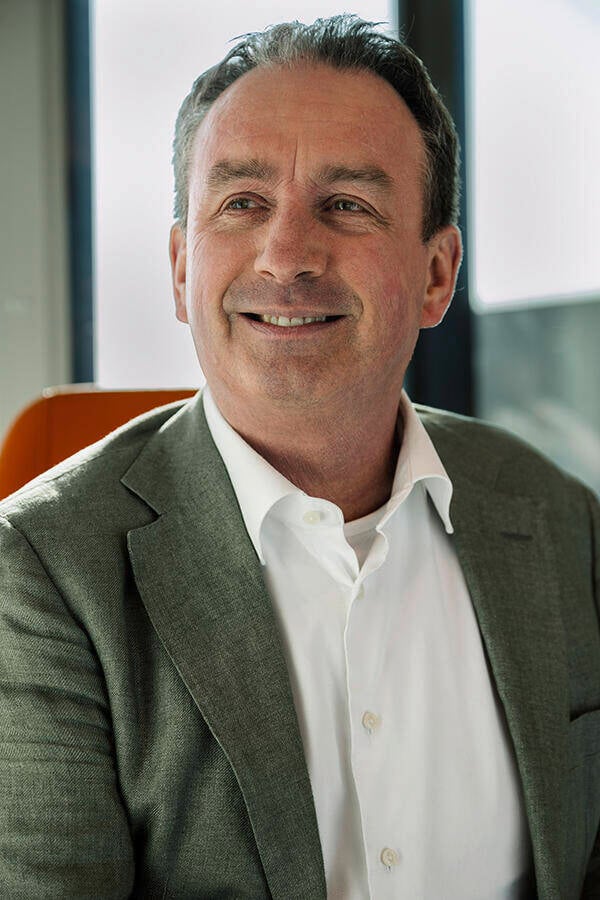
Arne Popma is Professor of Child and Adolescent Psychiatry and Head of the Department of Psychiatry at Amsterdam UMC.
Photo: Martijn Gijsbertsen
World Health Organization (WHO) project mental health conditions to become the leading global burden of disease by 2030. They often start early in life and persist for many years, sometimes even affecting subsequent generations. “It affects not only individuals, but society as a whole”, says Arne Popma. “That is why we must act collectively to promote and protect mental health – starting now.”
You compare the efforts needed today to the construction of sewage systems a century and a half ago.
“At the time that investment marked a major breakthrough in public health. It became clear that infectious diseases we dramatically affecting life expectancy, quality of life, and health in general. There was widespread recognition that this problem required a collective approach. As a result, large-scale investments were made in public infrastructure: sewage systems and clean drinking water.
I believe we have reached a similar moment for mental health. We need to address it collectively – not only for today's generations, but for future generations as well. The principle is the same: if we improve conditions now, we can achieve a major leap forward in the health of future generations.”
What is the role of Amsterdam UMC in this?
“It is the task of university medical centers to work with partners to find solutions to societal problems. We must make our knowledge available and share it to jointly arrive at solutions that can improve public health. And there is a great deal of knowledge available already. For example, we know that public mental health benefits enormously when people are not overly stressed about money, when parents can get parenting support, and when children are not bullied at school. By addressing these issues—and as far as I'm concerned, we should do so in a long-term national program—we can make enormous gains. But it won't be solved overnight, which is why we need to invest now. We need to start with young people, because three-quarters of all mental problems begin before the age of 25.”
‘Together with partners, we can form an ecosystem that strengthens public mental health.’
What role can academic psychiatry play in this?
“Psychiatry is there for people with serious mental health problems. As a university medical center, we will continue to care for them and conduct research into new treatments and improvements in care. Not only to treat mental health problems, but also to prevent their transmission, for example among (expectant) parents with mental health problems. In addition, we must work with other parties to contribute much more to society as a whole to help prevent mental health problems. Together, we can form an ecosystem that strengthens public health. Ensuring that young people have sufficient resilience to cope with life and all its ups and downs: that is a task for the ecosystem as a whole.”
So, focus more on prevention?
“Often when I see young people in my clinic, I think: if only there had been support for you earlier. Precisely because young people develop so quickly, stagnation quickly leads to decline. A setback can trigger a vicious circle in which a problem grows into a collection of problems or a serious disorder—through a negative effect on self-image, loneliness, poor school performance, and so on. Whereas that could perhaps have been prevented or could have been less serious with timely help. So yes, an ounce of prevention is worth a pound of cure. And that probably applies not only to these young people themselves, but also to the next generation of which they will become parents.”
How do you tackle that?
“It requires curiosity on our part. Curiosity to relate to the rapidly changing world in which young people live. Above all, we must not decide what is good for them. We must ask them ourselves and then contribute our knowledge. And we must bring that knowledge to the places where they go: schools, neighborhoods, sports clubs, online platforms. This applies more broadly, too: people want warm, engaged psychiatry with specific scientific knowledge. We can and must be that.”
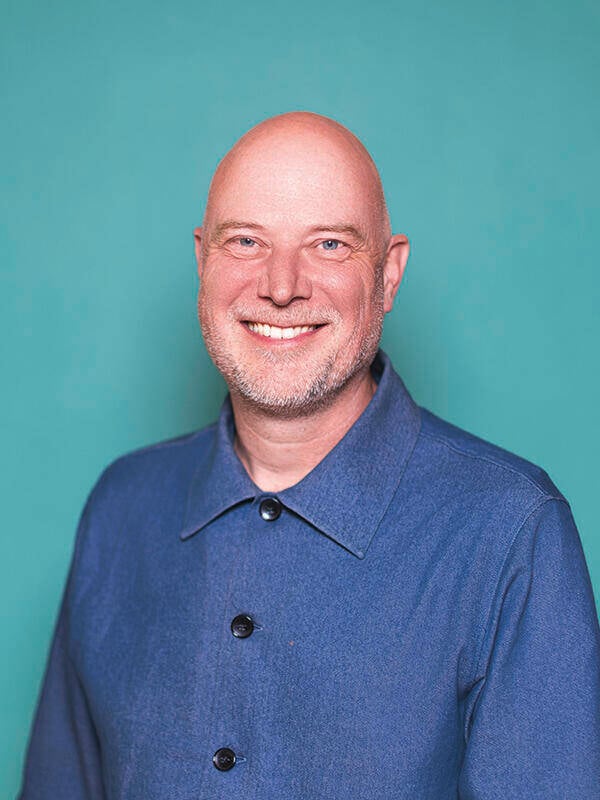
You call it ‘loving psychiatry at the heart of society’.
“I think the word ‘loving’ sums it up well. A prerequisite for good care is that people feel heard and seen, that they feel there is genuine attention. This applies not only to our healthcare provision, but also to our scientific research: we can use scientific arguments to stand up for people who are not seen or heard. We are also increasingly trying to structure our training and education in such a way that the psychiatrists of the future incorporate this social perspective into their thinking about the profession. And vice versa: today’s students are concerned and want to actively contribute to a better future. They teach us a lot about the world of today’s young people. Being loving and developing knowledge: the combination of these two aspects is where our added value lies.”